Editorial Quick Answers

Your Hail Claim Could Add Hundreds to Your Premium — Here's When Switching Carriers Makes Sense

After filing a hail claim, your renewal quote will almost certainly be higher, but the new carrier you're considering has already seen that claim in your CLUE report and may still charge you less.

Your Hail Claim Could Add Hundreds to Your Premium — Here's When Switching Carriers Makes Sense
Hail Protector Editorial / GeminiEditorial

The Renewal Letter Arrives

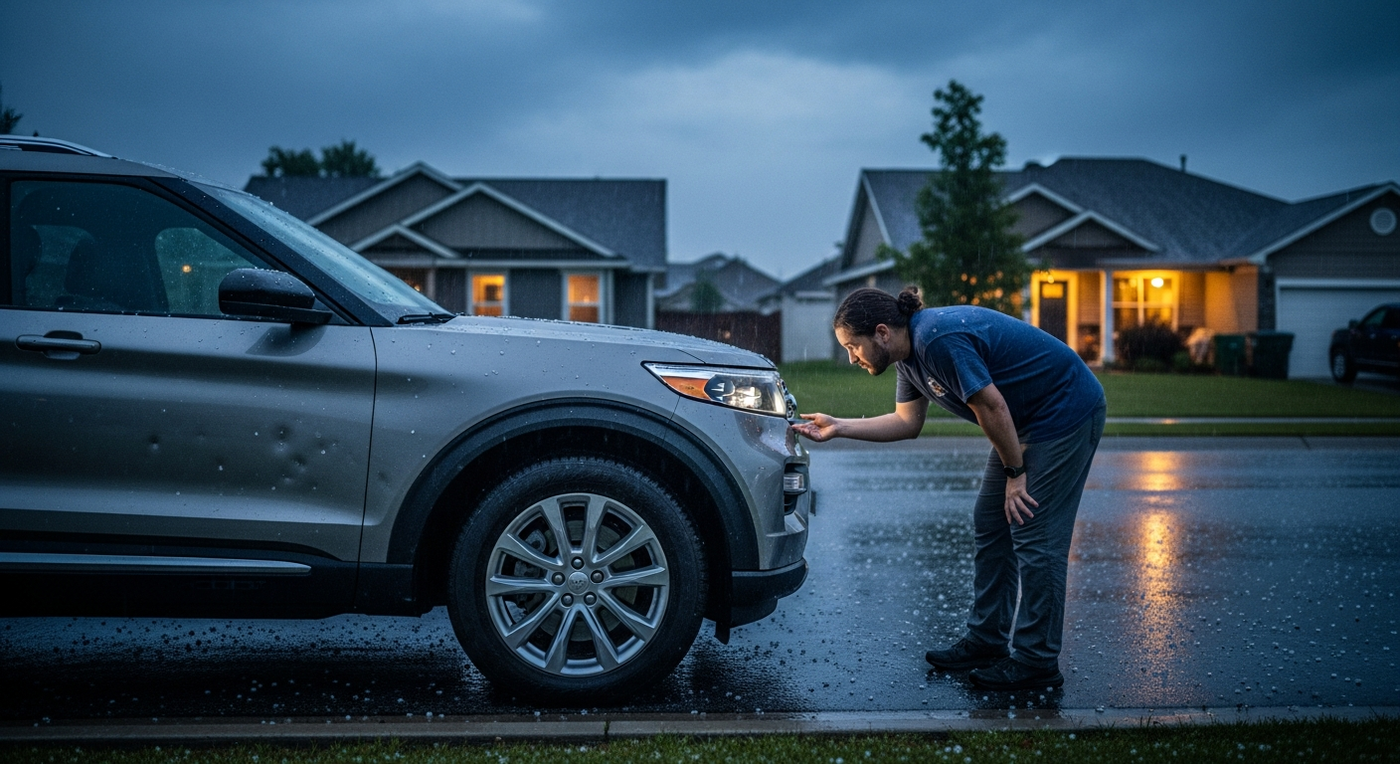
You filed a hail claim in May. Your windshield needed replacement, maybe some dents on the hood. The check arrived, the repairs got done, and you moved on. Then September comes, and your insurance renewal notice shows a premium increase that makes you blink twice. The math doesn't feel right — you're suddenly paying hundreds more annually for the same coverage.

This scenario plays out thousands of times each fall. According to Insurance Information Institute data, comprehensive claims like hail damage typically trigger premium increases in the range of 10-30% at renewal, though the exact surcharge varies dramatically by carrier. What most policyholders don't realize is that the increase isn't universal — it's specific to how your current insurer prices risk.

Your Claim Follows You (But That's Not the Whole Story)

When you request quotes from other carriers, they'll pull your Comprehensive Loss Underwriting Exchange (CLUE) report within minutes. That report shows every claim you've filed in the past seven years, including the hail damage from spring.

But here's what changes the math: every insurer uses a different base rate and applies surcharges differently. Your current carrier might start with a higher base rate and add a surcharge of roughly 25% for one comprehensive claim. A competitor might have a lower base rate and only apply an estimated 15% surcharge. Even after accounting for your claim history, the competitor's total premium could be lower.

The CLUE report is a shared database, but the pricing formulas are proprietary. This creates real opportunities for savings even with a recent claim on your record.

The 30-60 Day Window

The optimal time to start shopping is 30-60 days before your renewal date. This window gives you enough time to collect quotes from multiple carriers, compare coverage details, and make a decision without rushing. It also ensures continuous coverage — a gap of even a few days between policies flags you as a higher-risk customer and can increase rates from the new carrier.

Most insurers can bind a new policy to start on a future date, which means you can lock in a rate in October for a policy that begins November 1st when your current coverage expires. This eliminates the risk of a coverage gap while giving you time to verify the new policy's declarations page matches what you were quoted.

Start by requesting quotes from at least three to five carriers. Include both large national insurers and regional carriers — regional companies sometimes have more favorable pricing in hail-prone areas because they've built their business model around that specific risk.

10-30%

%

Premium hike after hail claim

7

years

Claims stay on CLUE report

3-5

years

Surcharge reduction timeline

What Actually Changes When You Switch

When you move to a new carrier after a claim, several things reset and several things don't. Your claim history travels with you via the CLUE report, as mentioned. But your loyalty discount, accident forgiveness status, and any carrier-specific programs don't transfer. You're starting fresh with the new insurer's underwriting criteria.

Some carriers offer accident forgiveness or claim forgiveness programs that protect you from surcharges after your first claim. If you had this benefit with your previous carrier and used it for the hail claim, you won't have that protection with a new carrier — at least not immediately. Many insurers require you to be claim-free for approximately three to five years before qualifying for forgiveness programs.

On the other hand, you might gain access to different discount programs. A new carrier might offer better rates for bundling home and auto, or have partnerships with your employer or alumni association. The total premium equation includes both the base rate, the claim surcharge, and all applicable discounts.

Insurance shopping after before escalation
Insurance shopping after during impact

The Surcharge Eventually Fades

Here's something most people get wrong: they assume the premium increase from a hail claim is permanent. It's not. Most insurers reduce or eliminate the surcharge after approximately three to five years, assuming you don't file additional claims during that period. The claim remains on your CLUE report for seven years, but its impact on your premium diminishes over time.

This creates a strategic decision point. If your current carrier's surcharge is steep but you have strong loyalty discounts or other benefits, it might make sense to stay and wait out the surcharge period. If the increase is substantial and you don't have significant tenure benefits, switching immediately could save you hundreds of dollars annually.

Run the math both ways. Calculate what you'll pay over the next three years with your current carrier versus a new one, factoring in how the surcharge might decrease over time. Sometimes the short-term savings from switching are offset by losing long-term discounts.

Coverage Details Matter More Than Price

When comparing quotes after a claim, resist the temptation to focus solely on the premium number. Look closely at deductibles, coverage limits, and policy exclusions. Some carriers offer lower premiums by automatically increasing your comprehensive deductible or reducing coverage in ways that aren't immediately obvious.

Verify that the new policy's comprehensive deductible matches your current one. If your existing policy has a $500 comprehensive deductible and the new quote is based on $1,000, you're not comparing equivalent coverage. Similarly, check whether the new policy includes rental car reimbursement, roadside assistance, and other features you currently have.

Pay particular attention to how the new carrier handles future hail claims. Some insurers in hail-prone regions have started implementing separate hail deductibles or excluding hail damage from glass coverage. These restrictions might not appear in the initial quote but will be detailed in the policy documents.

Verified Sources

  1. Insurance Information Institute

    Insurance Information Institute

    Claim frequency data and typical surcharge ranges

  2. LexisNexis

    LexisNexis

    How insurers share claim history through CLUE database

Back to Insurance & Costs