Editorial Quick Answers

The Best Time to Fix Your Car Insurance Is After You've Already Needed It

Post-storm season reviews catch coverage gaps while the memory of hail damage is still fresh — and before spring premiums spike.

The Best Time to Fix Your Car Insurance Is After You've Already Needed It
Hail Protector Editorial / GeminiEditorial

Your Deductible Worked Fine Until It Didn't

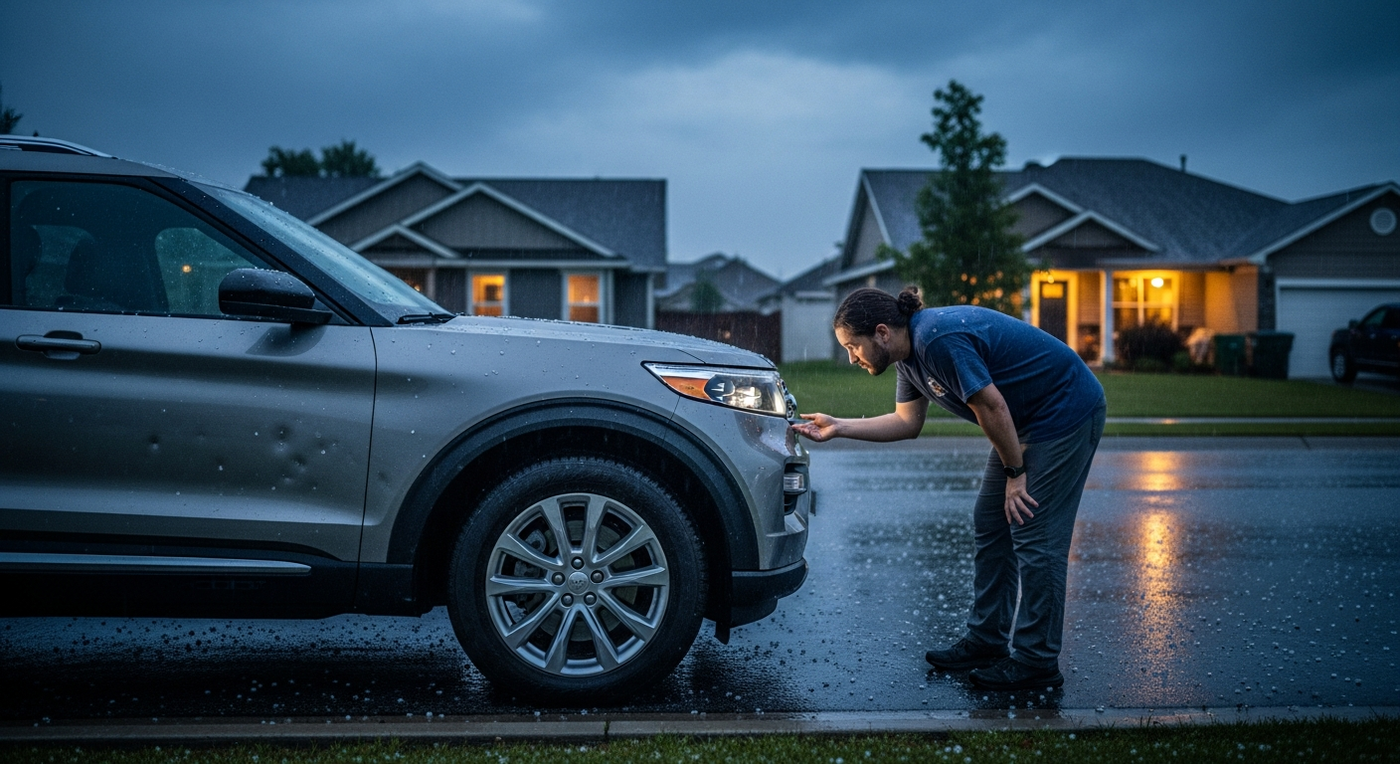
You chose a $1,000 comprehensive deductible because it lowered your premium by $200 a year. Then a single hailstorm left you with body damage that can easily reach several thousand dollars, and suddenly that five-year savings evaporated in one afternoon. September and October — after storm season winds down but before renewal notices arrive — offer the clearest window to recalibrate your coverage based on what actually happened, not what you hoped wouldn't.

Most drivers set their deductibles once and forget about them. The post-season review forces a different question: if this exact storm happened again next May, what would you want your out-of-pocket cost to be?
The Premium Increase You Don't See Coming

Filing a comprehensive claim typically triggers a rate increase at renewal, even though hail damage involves zero fault on your part. A single comprehensive claim can raise your premium by roughly 10-20%, depending on your insurer and state, according to Insurance Information Institute data. But here's what catches people off guard: you won't see that increase reflected until your policy renews, which might be months after the claim closes.

Drivers who filed hail claims in May or June should request a renewal quote now, before their current policy expires. If your premium jumped several hundred dollars annually after a claim, shopping for a new insurer might recover some or all of that increase — different carriers weigh claim history differently, and some don't surcharge for weather-related comprehensive claims at all. The worst time to discover you're overpaying is the day your renewal bill arrives and you have only a few days to find an alternative.

Glass Coverage Costs Almost Nothing Until You Need It

Full glass coverage — the endorsement that waives your deductible for windshield replacement — typically adds a modest amount to your premium in most states, often in the range of $20-40 annually.

Yet most drivers skip it because they're optimizing for the wrong thing. They're comparing the annual cost to their current situation (no broken windshield) rather than to the cost of the next windshield they'll inevitably need. If you drove through a hailstorm this season and got lucky — the glass held but the hood didn't — that's not a sign you don't need glass coverage. That's a preview of what almost happened.

10-20%

%

Rate hike per comprehensive claim

$400-800

Windshield replacement cost

$20-40/year

/year

Full glass coverage premium

15-25

%

Bundle discount on both policies

The September Discount Window

Insurers adjust their pricing based on risk timing, and comprehensive coverage is cheaper when you're further from peak storm season. Adding or upgrading coverage in September or October may cost less than making the same change in March, when carriers know they're about to enter hail season. The difference typically isn't dramatic — perhaps a few percentage points on the comprehensive portion of your premium — but it can add up.

This creates a strange incentive structure: the moment you're most motivated to upgrade your coverage (right after a storm) is also the moment when doing so costs the least. Most people wait until spring, see the higher quote, and talk themselves out of it. Then the next hailstorm hits and they're back where they started.

What Actually Changed About Your Risk

Post-season reviews surface assumptions that no longer match reality. Maybe you moved from an apartment with covered parking to a house with a driveway. Maybe your commute changed and you're now driving through areas with different weather exposure than before. Maybe the "severe weather is rare here" belief you held in January got revised by three hailstorms in April.

Your policy should reflect the vehicle's actual exposure, not the exposure you imagined when you first bought coverage. If your car now sits outside much of the day in an area that saw multiple severe weather warnings this season, and your comprehensive deductible is still set at the level you selected years ago when you garaged it nightly — that's not a policy, that's inertia.

The Rental Reimbursement Math Nobody Does

Rental car coverage typically costs a modest annual fee and pays a daily amount while your vehicle is being repaired. Hail damage repairs often take several weeks due to parts availability and body shop backlogs. Without rental coverage, you're paying the daily rental rate out of pocket, which can add up to hundreds or over a thousand dollars for a multi-week repair.

The math is brutally simple: the coverage costs less than one day of the rental you'll need. Yet according to III research, fewer than half of drivers carry it. They remember to insure the vehicle but not the rental expense that comes with fixing it. If you filed a hail claim this season and paid for a rental out of pocket, this is the line item to add before next spring.

Verified Sources

  1. iii.org

    iii.org

    Referenced in article via iii.org.

  2. iii.org

    iii.org

    Referenced in article via iii.org.

Back to Insurance & Costs