Editorial Quick Answers

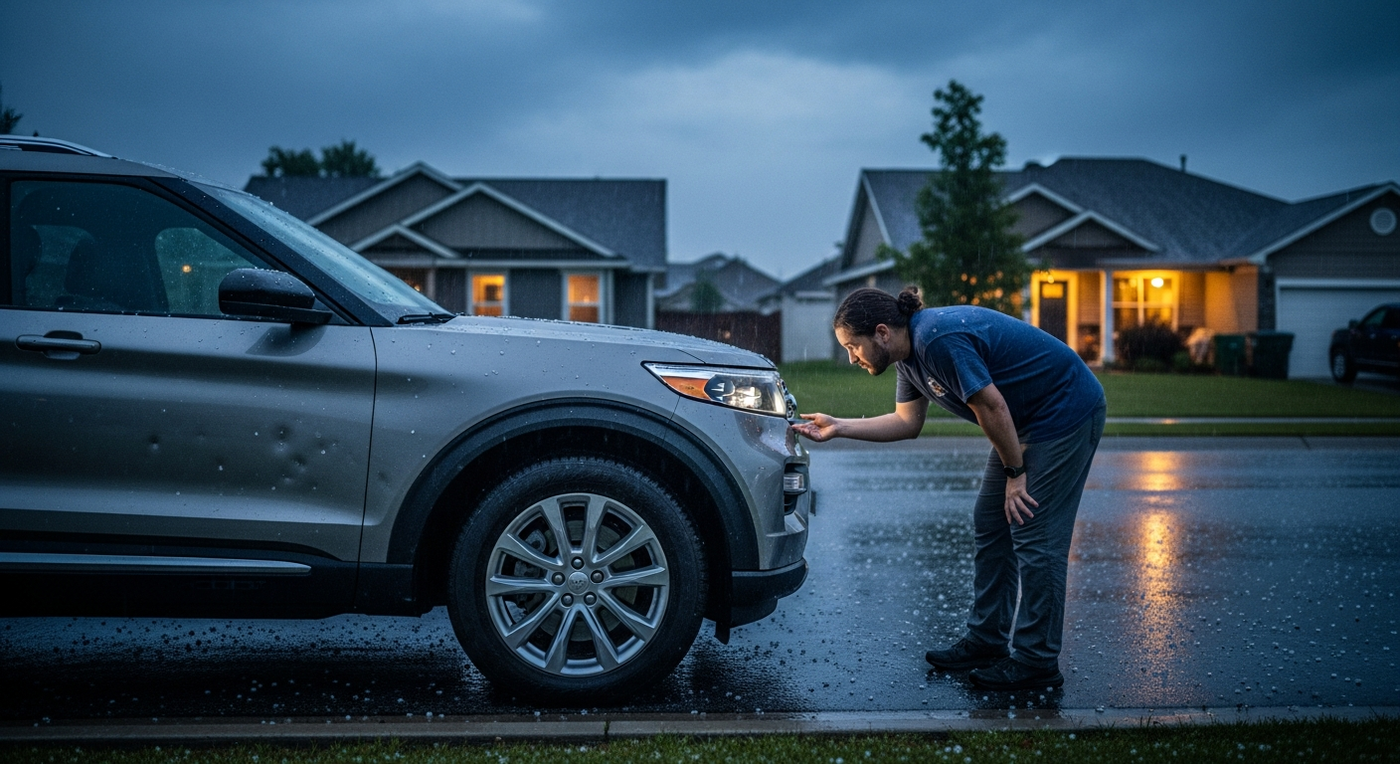
The Five Stages of a Hail Claim: What Happens Between Your First Call and Your Final Check

Most drivers treat filing a hail claim like reporting a problem and waiting for a solution, but the process has five distinct phases where you either protect your interests or lose money without realizing it.

The Five Stages of a Hail Claim: What Happens Between Your First Call and Your Final Check
Hail Protector Editorial / GeminiEditorial

You Have 72 Hours That Matter More Than You Think

The clock starts the moment hail hits your car, not when you call your insurer. Most policies don't impose a hard deadline for reporting damage, but the practical deadline is much tighter. According to Insurance Information Institute guidance, insurers expect "prompt" notification—industry standard interprets this as within a few days of discovery.

Here's what actually happens in those first 72 hours: You call your insurer's claims line. They assign a claim number. They ask whether the car is drivable and whether you need a rental. Then they schedule an inspection, and this is where the timeline fractures.

After a significant hail event—the kind that hits an entire metro area on a Tuesday afternoon—adjusters are booked solid. In major hail corridors like the Denver metro or the Dallas-Fort Worth area, inspection backlogs following severe storms can stretch approximately two to four weeks out. Every day you wait to file pushes your inspection further into that queue. File on day one, you might get seen in 10 days. File on day seven, you're looking at a month.

The Inspection Is a Negotiation You Didn't Know You Were Having

Insurance adjusters are not your advocates. This isn't cynicism; it's job description. An adjuster's role is to assess damage accurately and settle claims fairly within policy limits, but their performance metrics reward efficiency and cost control. Understanding this changes how you approach the inspection.

When the adjuster arrives—at your home, workplace, or a claims center—they're looking for hail dents, but they're also looking for pre-existing damage to exclude. Door dings from parking lots. Older dents that might have been there before the storm. Faded paint that suggests the damage isn't fresh. They're trained to spot these distinctions.

You have leverage here that most people don't use: You can be present during the inspection. You can point out damage the adjuster might miss—dents on horizontal surfaces are obvious, but hail also damages side mirrors, antenna bases, and the cowl panel below the windshield. You can ask questions. "Why isn't this dent being counted?" "What's the difference between paintless dent repair and conventional repair in your estimate?".

The adjuster writes an estimate on-site or within 24 hours. This estimate is not final. It's an opening position.

The Estimate Is Where Most People Leave Money on the Table

Your adjuster's initial estimate will likely recommend paintless dent repair (PDR) for most damage. PDR typically costs approximately $75-150 per dent depending on size and location, versus conventional body work that can run several hundred dollars per panel. Insurers prefer PDR because it's cheaper and faster.

But PDR doesn't work on every dent. Dents near panel edges, dents on body lines, dents where the paint is already cracked—these need conventional repair. If your adjuster's estimate assumes PDR for damage that actually requires paint work, the estimate is too low.

This is where the supplement comes in. A supplement is an additional estimate written after repairs begin, when the shop discovers damage the adjuster didn't account for. Repair shops report that a majority of hail claims involve at least one supplement, with estimates typically ranging from 60-70%. Shops find additional dents. They find paint damage that wasn't visible during the initial inspection. They discover that a panel the adjuster thought could be repaired actually needs replacement.

You don't write the supplement—the repair shop does. But you choose the repair shop, and that choice determines whether supplements get written at all. Shops that do high-volume insurance work know how to document additional damage and negotiate with adjusters. Shops that rarely handle insurance claims often eat the cost rather than fight for a supplement.

The Repair Authorization Is Not Automatic

Once you have an estimate, you might assume the insurer cuts a check and you proceed to repairs.

If your car is financed or leased, the check will be made out to both you and your lienholder. You'll need to endorse it, send it to your lender, and wait for them to either release the funds or issue payment directly to the repair shop. This typically adds a week to 10 days.

If you own the car outright, you can technically cash the check and never repair the damage. The insurer has paid their obligation under the policy. But—and this is the part that surprises people—if you file another claim later for different damage, the adjuster will compare the new damage to photos from the previous claim. Any unrepaired hail damage will be excluded from the new claim. You've already been paid for those dents.

Most people repair the damage. You choose a shop, schedule the work, and drop off the car. Repair timelines vary wildly depending on shop capacity and parts availability. A PDR-only repair might take approximately three to five days. Conventional bodywork with paint can stretch two to three weeks. If panels need replacement and the parts are backordered, you're looking at a month or more.

During repairs, the shop may contact your adjuster about a supplement. The adjuster comes back out, or reviews photos the shop submits, and issues a revised estimate. This back-and-forth can happen multiple times on a single claim.

60-70%

%

claims require supplements

70-80%

%

damage ratio triggers total loss

2-4

weeks

inspection backlog after major storms

The Final Payment Closes the Loop—Unless It Doesn't

When repairs are complete, the shop contacts your insurer to confirm the work is done and request final payment. If there were supplements, the insurer issues additional checks to cover the difference between the original estimate and the final cost.

You pick up your car. You inspect the work. If something isn't right—dents still visible, paint mismatch, panels that don't align—you document it immediately and contact both the shop and your insurer. Most shops guarantee their work, but enforcing that guarantee is easier if you catch problems before you sign the final paperwork.

The claim officially closes when the insurer makes final payment and you've accepted the vehicle. At this point, the damage is considered resolved. If you later discover additional hail damage that wasn't repaired, you'll have a hard time reopening the claim unless you can prove the damage was documented in the original estimate but not fixed.

Here's the detail most people miss: Your insurance rates probably won't increase from a comprehensive claim. Hail damage falls under comprehensive coverage, which covers events outside your control—theft, vandalism, animal strikes, weather. According to III data on rating factors, comprehensive claims typically have minimal impact on premiums compared to at-fault collision claims. Some insurers don't surcharge for comprehensive claims at all. Others might apply a small increase, but it's usually far less than the cost of paying for repairs out of pocket.

The Part Nobody Mentions: Total Loss Threshold

There's a sixth phase that only applies to severe damage, but it's worth understanding because it changes everything.

If the repair estimate exceeds approximately 70-80% of your car's actual cash value, the insurer will typically declare the car a total loss. They pay you the car's pre-damage value minus your deductible, take possession of the vehicle, and the claim ends. You don't get repairs. You get a settlement check and you shop for a replacement car.

This threshold catches people off guard, especially with older vehicles. A 10-year-old sedan might have an actual cash value of approximately $8,000. If hail damage generates an estimated $6,500 repair estimate, the insurer totals the car rather than fixing it. You might have been planning to drive that car for three more years. Now you're car shopping.

You can dispute a total loss determination if you believe the insurer's valuation is too low, but you'll need comparable sale data—recent listings for the same year, make, model, and mileage in your area. The insurer's valuation isn't arbitrary; it's based on market data from services like CCC or Mitchell. But those valuations can be negotiated if you have evidence they're off.

Verified Sources

  1. Insurance Information Institute

    Insurance Information Institute

    claims reporting expectations and process overview

  2. Insurance Information Institute

    Insurance Information Institute

    rating factors and premium impacts

Back to Insurance & Costs