Editorial Quick Answers

The Three Lines on Your Insurance Dec Page That Determine What You Pay After Hail

Your declaration page contains the exact dollar amounts that apply when hail hits your car, but the format is designed for insurance processors, not drivers trying to figure out if they can afford a repair.

The Three Lines on Your Insurance Dec Page That Determine What You Pay After Hail
Hail Protector Editorial / GeminiEditorial

What the Declaration Page Actually Is

The declaration page—often called a "dec page"—is a one- or two-page summary your insurer sends when you start a policy or renew. It lists your coverage types, limits, deductibles, and any special endorsements in a dense table format. Unlike the full policy document, which runs dozens of pages and explains what is and isn't covered, the dec page shows the specific dollar figures that apply to your situation.

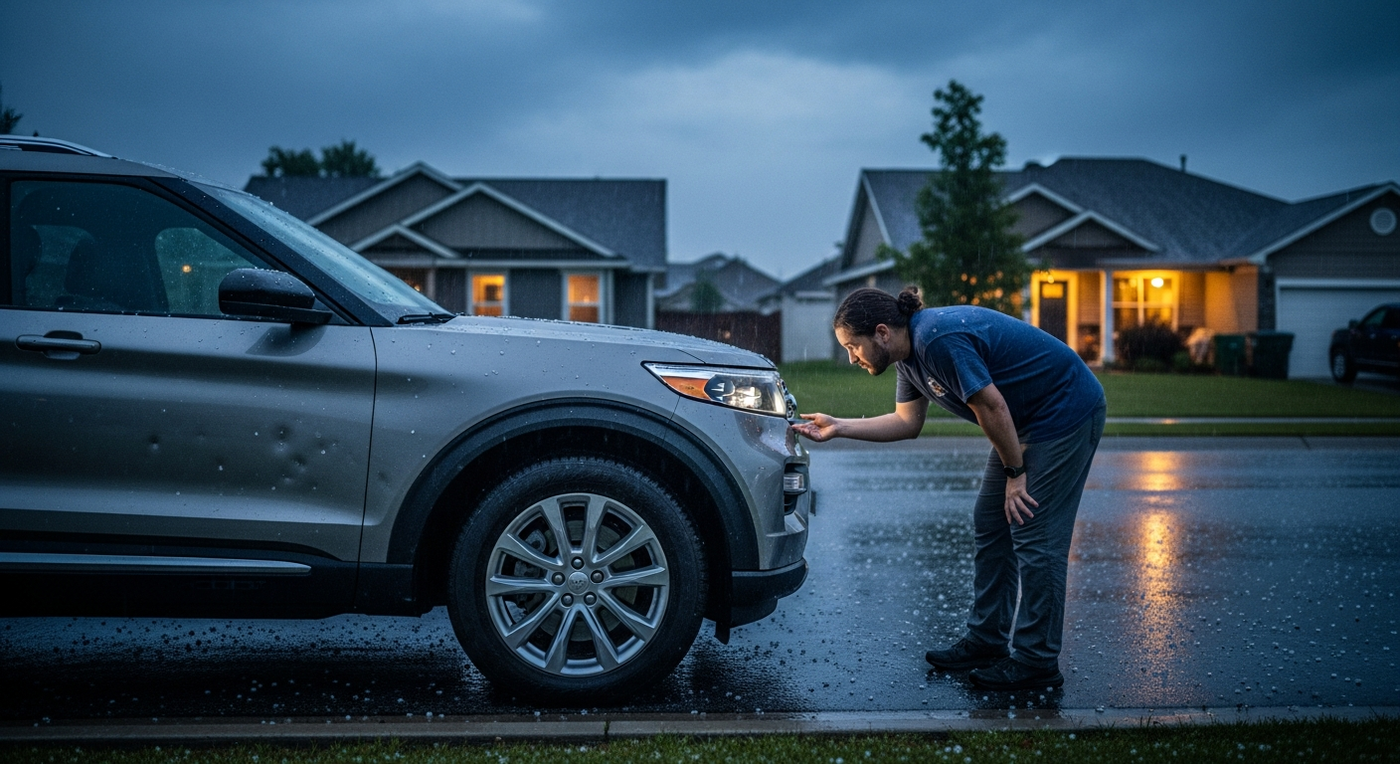
Most drivers file it away or delete the email attachment without reading it. That works fine until hail punches divots across your hood and you need to know whether you're paying $100 or $1,000 out of pocket before repairs start.

The Comprehensive Deductible Line

Look for a row labeled "Comprehensive" or "Comp" with a dollar amount beside it. This is what you pay before insurance covers hail damage. The number varies wildly—some policies show $100, others $500 or $1,000. Choosing a higher comprehensive deductible lowers your premium, which is why many drivers select $500 or more without thinking through what that means after a storm.

Here's what matters: that deductible applies per claim, not per panel. If hail damages your car and the repair estimate comes to roughly $2,800, you pay your deductible amount and insurance covers the rest. But if the estimate is around $450 and your deductible is $500, filing a claim makes no financial sense—you'd pay the full cost yourself and potentially trigger a rate increase for no benefit.

Some policies list the comprehensive deductible as a percentage rather than a flat amount—typically around 1% or 2% of your car's actual cash value. If your vehicle is worth roughly $30,000 and your dec page shows "Comp: 2% ACV," you're paying approximately $600 out of pocket after hail, regardless of total damage cost.

The Glass Coverage Endorsement

Windshields crack differently than hoods dent. A single hailstone can star a windshield without touching the rest of the car, which creates an odd situation: you need a windshield replacement that typically costs several hundred dollars but no other repairs. Some states—Arizona, Florida, Kentucky, and South Carolina among them—require insurers to offer zero-deductible glass coverage.

Your dec page will show this as a separate line item, often labeled "Full Glass Coverage" or "Glass Buyback" or simply "Glass: $0 ded." If that line exists, windshield replacement costs you nothing out of pocket. If it doesn't appear, your standard comprehensive deductible applies to glass damage.

The absence of this line is what catches drivers off guard. They assume windshield replacement is always free because they've heard that somewhere, then discover their comprehensive deductible applies to the windshield cost—making the claim pointless if the deductible exceeds the replacement price.

$500

Typical comprehensive deductible

2%

ACV-based deductible rate

$30–40

/day

Standard rental reimbursement

Rental Reimbursement Limit

The third critical line appears under "Rental Reimbursement" or "Transportation Expense" and shows two numbers: a daily limit and a total claim limit. Common formats include "$30/day, $900 max" or "$40/day, $1,200 max."

After severe hail, body shops get backlogged. Repairs that would normally take a few days can stretch to two weeks or more when every car in a ZIP code needs paintless dent removal. If your dec page shows $30 per day and the rental agency charges more for a comparable vehicle, you're covering the difference every day your car sits in the shop.

The total claim limit matters more than most drivers realize. If your rental costs $40 daily and your policy caps rental reimbursement at $900 total, your coverage runs out after approximately 22 days. Extended repairs beyond that point come entirely from your wallet. Some policies don't include rental coverage at all—the dec page simply won't list it—which means you're paying full rental costs from day one if you need a vehicle during repairs.

Why the Format Defeats Most Readers

Declaration pages use insurance shorthand because they're internal documents that became customer-facing by regulation, not design. You'll see abbreviations like "BI," "PD," "UM/UIM," "Comp," and "Coll" without explanations. Dollar amounts appear in columns under headers like "Limit" and "Deductible" without clarifying which applies to what scenario.

The comprehensive section might read: "Comp: $500 ded / ACV limit" in a single table cell. That means you pay $500 per claim and the maximum payout is your car's actual cash value—but nothing on the page explains what "actual cash value" means or how it's calculated. (It's your car's market value minus depreciation, which can be substantially less than what you paid or what you owe on a loan.).

Understanding your insurance Key Questions

The Photograph-and-Store Advantage

Drivers who take a photo of their dec page and save it in their phone can answer the critical question—"What's my deductible?"—within seconds after a hailstorm. Drivers who have to dig through email, call their agent, or log into an insurance portal while fielding calls from three body shops are making decisions without complete information.

The time advantage matters because hail damage claims spike immediately after storms. The first drivers to schedule repairs get earlier appointments; everyone else joins a waiting list that can stretch weeks. Knowing your coverage details instantly means you can decide whether to file a claim or pay out of pocket without delay, book a rental if needed, and move forward while others are still hunting for policy documents.

Verified Sources

  1. Insurance Information Institute

    Insurance Information Institute

    Data on how deductible choices affect premium costs

Back to Insurance & Costs