How-To How-To Guide

The Crease That Kills: Why Your Hail Cover Storage Routine Is Destroying Your Investment

Folding your hail cover the same way every time creates permanent weak points in the foam that fail exactly when you need protection most.

The Crease That Kills: Why Your Hail Cover Storage Routine Is Destroying Your Investment
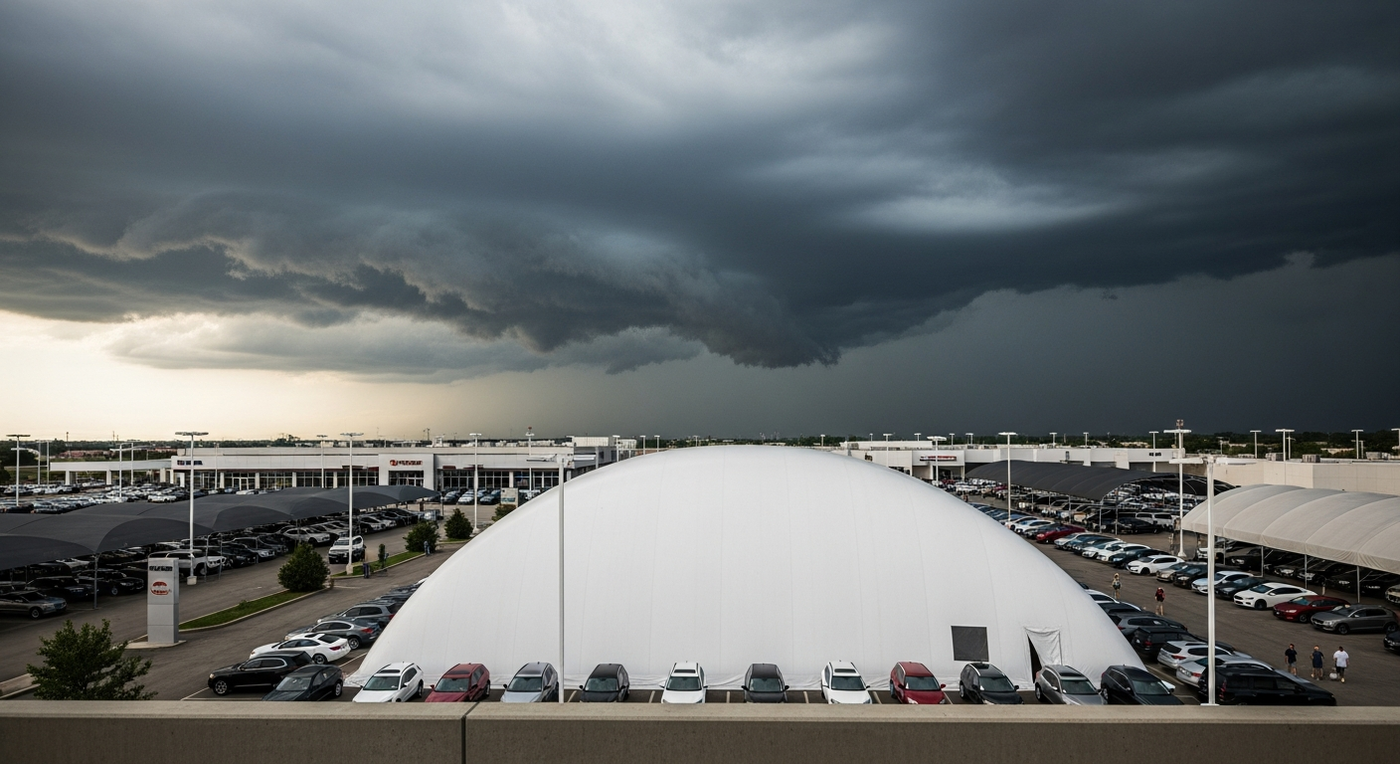
Hail Protector Editorial / GeminiHow-To Guide

The Physics of Repeated Folding

Closed-cell foam — the material that absorbs hail impact — has memory. Each time you fold it, you compress the cellular structure along that line. Fold it the same way repeatedly, and those cells eventually stay compressed. The foam thins. When a hailstone hits that weakened crease, it punches through to your paint.

Here's what most people get wrong: they think the cover fails because it's old. Usually it fails because it's been folded identically 40 times.

The solution isn't complicated. Rotate your fold pattern. If you folded lengthwise last season, fold widthwise this year. If you made three folds, make four. The goal is distributing stress across different areas of the foam so no single line takes cumulative damage.

Think of it like rotating your mattress, except the consequences of skipping it include a paintless dent repair bill that can run into the thousands.

What Actually Happens During Storage

UV degradation doesn't stop when you put the cover away. If you're storing in a garage with windows, or a shed with translucent panels, or anywhere sunlight reaches the folded cover, the elastic straps and foam backing continue breaking down. According to National Weather Service UV safety data, UV radiation penetrates windows and even reflects off concrete floors.

The elastic fails first. You'll notice it's lost tension — the straps don't snap back like they used to. That's the polyurethane breaking down at a molecular level. Once the straps go slack, the cover shifts during hail, and stones hit between the protected zones.

Dark storage matters more than climate control. A hot attic with zero light exposure beats a temperature-controlled garage with afternoon sun. I've seen covers stored in attics exceeding 110°F for multiple years that still maintained good elasticity. I've also seen covers stored in climate-controlled garages with skylights that were shot after two seasons.

If your only storage option includes light exposure, wrap the cover in an opaque tarp or contractor bag.

The Five-Minute Inspection That Adds Years

Before you fold anything, lay the cover flat and look for three specific failure points.

Seam separation. Run your fingers along every stitched seam. If you can pull the layers apart even slightly, that seam is at risk of separating when large hail hits. Re-stitch it now with UV-resistant thread, or mark it for professional repair. A separated seam means the foam layer shifts independently from the outer shell, and neither does its job.

Foam compression that doesn't recover. Press your thumb into the foam and count to five. When you release, the foam should return to full thickness within a couple of seconds. If you can still see your thumbprint after several seconds, that section has lost significant impact absorption. It might still look fine, but it's cosmetic — it won't stop hail.

Elastic that's lost 30% or more of its stretch. Pull each strap to full extension and let go. It should snap back immediately. If it returns slowly or stays partially stretched, replace it before next season. Elastic failure is the most common reason covers blow off during storms, and it's the easiest thing to fix. Most auto parts stores sell UV-resistant elastic by the foot.

This inspection takes about five minutes. Skipping it means you discover these failures in April when hail is already falling.

40

folds

Typical failure threshold

~$4,000

Average paintless dent repair

2x

Lifespan with proper storage

Cleaning Before Storage (Not After)

Dirt, tree sap, and bird droppings contain acids that continue eating into fabric and foam during storage. A cover that goes into storage dirty comes out weaker.

Hose it down. Use a soft brush and plain water — no detergents, no degreasers, nothing that strips the UV-resistant coating most covers have on their outer shell. Detergents can break down the water-resistant treatment and leave the foam vulnerable to moisture absorption.

Let it dry completely. Storing a damp cover creates mold in the foam, and mold doesn't just smell — it breaks down the cellular structure. If you're in a humid climate, run a fan over the cover for an hour. Touch the foam layer itself, not just the outer shell. If it feels cool to the touch, it's still holding moisture.

I learned this the hard way with a cover that went into storage slightly damp in November. By March, it had black mold throughout the foam layer and smelled like a basement. The mold had eaten through enough cells that the foam compressed to half its original thickness.

Storage Location Strategy

Basements seem ideal — cool, dark, stable temperature. But if you have any moisture issues, the cover will wick humidity into the foam. Concrete floors sweat. A cover stored directly on concrete in a humid basement can absorb significant moisture weight.

Raise it off the floor. A couple of 2x4s work fine. Air circulation underneath prevents moisture accumulation.

Attics work despite temperature extremes, as long as they're dark. Heat alone doesn't destroy foam — heat plus UV does. I've pulled covers from attics that reached extreme temperatures in summer and they remained functional. The darkness preserved them.

Avoid outdoor sheds unless they're completely opaque and waterproof. Even small leaks during storage can saturate the foam, and once foam gets waterlogged, it never fully dries. You end up with a cover that's heavier, less flexible, and significantly less effective at impact absorption.

The Rotation Mistake

Some people store multiple covers and rotate which one they use each season, thinking they're extending total lifespan. This backfires. A cover that sits unused for extended periods while another cover gets used degrades differently — the elastic loses memory, the foam develops compression set from being folded, and the materials age without the benefit of regular flexing that keeps them supple.

Use the same cover continuously until it needs replacement, then switch. Materials science is weird this way: regular use-and-clean cycles actually keep synthetic materials more flexible than long-term static storage.

What Actually Kills Covers

It's not hail. Quality hail covers are typically designed to handle multiple hail events before the foam fails from impact damage. What kills them is the extended periods they spend folded in storage, creased along the same lines, exposed to UV bounce-back from garage floors, or slowly absorbing moisture from concrete.

The cover that protects your car needs protection itself. Five minutes of inspection, a different fold pattern, and genuinely dark storage can potentially double a cover's effective lifespan. Given that replacement covers represent a significant investment, that's a worthwhile return on minimal effort.

Store it like you'll need it to work perfectly next April.

Verified Sources

  1. weather.gov

    weather.gov

    Referenced in article via weather.gov.

Back to Protection Guides