How-To How-To Guide

What to Do in the First 48 Hours After Hail Hits Your Car

The evidence you document today determines whether your claim gets approved or denied — here's exactly what to do before the sun sets twice.

What to Do in the First 48 Hours After Hail Hits Your Car
Hail Protector Editorial / GeminiHow-To Guide

Why Your Phone Matters More Than Your Insurance Card Right Now

Within two days of a hailstorm, dents can begin to oxidize, paint chips can start to rust, and afternoon shadows that reveal shallow dimples disappear. Adjusters have been known to deny claims when policyholders wash their cars before photographing damage, eliminating the dust patterns that show impact angles. The 48-hour window isn't arbitrary — it's the period when damage evidence is most visible and verifiable.

Your immediate priority isn't calling your insurer. It's creating an undisputable record of what happened.
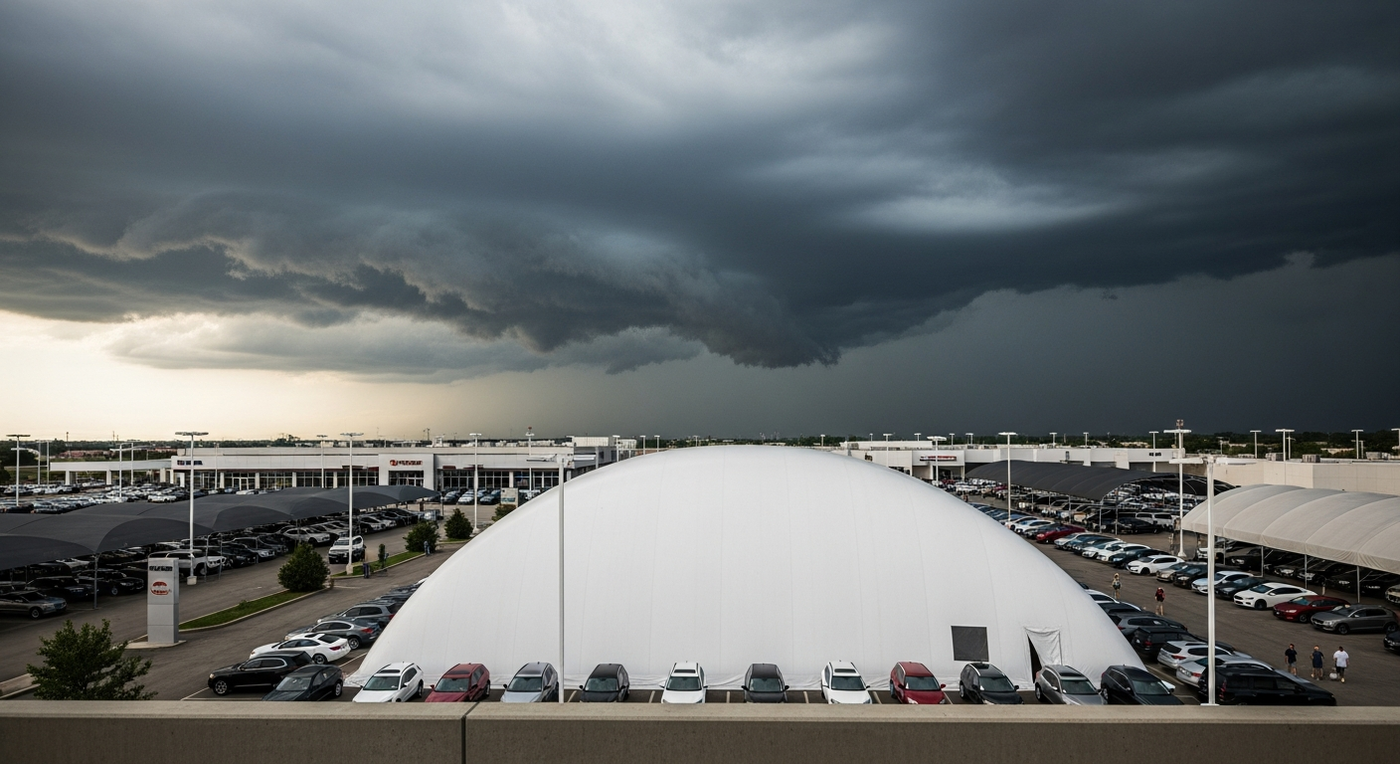
Hour 1-6: Document Everything Before Conditions Change

Take photographs in direct sunlight, ideally between 2-4 PM when low-angle light casts shadows inside dents. Walk around your vehicle systematically: hood, roof, trunk, each door, each fender. Shoot from multiple angles — straight-on, 45 degrees, close-ups of individual dents with a coin or credit card for scale.

Capture your odometer reading. Photograph your VIN plate. Take wide shots showing the car's location and surrounding context. If neighbors' cars were also hit, photograph those too — it establishes the storm's severity.

Do not wash your car yet. Hail leaves distinctive splatter patterns and displaced dust that show impact direction and force. According to Insurance Information Institute guidance, these patterns help adjusters distinguish hail damage from previous dents or parking lot dings.

Hour 6-24: Get an Independent Assessment

Before contacting your insurance company, visit a paintless dent repair (PDR) shop for a damage estimate. Not a body shop that does full repaints — a PDR specialist who repairs hail damage specifically. Many PDR shops provide a free written estimate detailing every dent's location and repair cost.

This estimate becomes your leverage. When you eventually file a claim, you're not negotiating blind. You know what the damage actually costs to fix.

Here's what most people get wrong: they assume their insurer will automatically send an adjuster who finds all the damage. In reality, adjusters work quickly and may miss dents on curved panels or in shadowed areas. Your independent estimate ensures nothing gets overlooked.

Hour 24-36: Check Your Policy Before Filing

Open your insurance policy and locate your comprehensive coverage deductible. If hail damage repairs will cost less than your deductible, filing a claim makes no financial sense — you'll pay the full repair cost anyway, and the claim goes on your record.

Comprehensive claims typically don't raise premiums as much as collision or liability claims, but they're not invisible. Some insurers track claim frequency regardless of type. If you've filed multiple comprehensive claims in recent years, this one might trigger a rate increase.

Calculate the math: if repairs will run roughly $2,000 and your deductible is $1,000, you'll recover approximately $1,000 from insurance. Is that worth a potential premium increase? According to III data on comprehensive claims, the average increase varies by insurer and state, but it's a factor worth considering before you dial.

Hour 36-48: File Your Claim With Documentation Ready

When you call your insurer, have everything organized: your photos, the independent estimate, your policy number, the storm date and time, and your vehicle's current location.

Be specific about damage locations. Don't say "there are dents on the hood" — say "I count 23 dents on the hood, ranging from quarter-sized to half-dollar-sized, concentrated on the driver's side." Specificity prevents disputes later.

Ask how the inspection will work. Some insurers send mobile adjusters to your location. Others require you to bring the vehicle to a drive-in claims center. Some now offer photo-based claims where you upload images through an app. Understand the process before agreeing to anything.

Request a timeline. When will the adjuster contact you? How long until you receive a damage estimate? When can repairs begin? Get names and direct phone numbers for your adjuster and claims representative.

The Waiting Period: What Happens Next

Most insurers issue an initial estimate within approximately 3-7 days of inspection. This estimate may be lower than your independent PDR quote — this is common in the claims process. Insurance companies often use different labor rates and may initially approve only the most obvious damage.

If the estimates differ significantly, you have options. Request a re-inspection. Submit your independent estimate as supplemental documentation. Some states allow you to choose your own repair shop rather than using the insurer's preferred network, which can affect the negotiation.

Do not begin repairs until your insurer approves the estimate and issues payment authorization. If you repair first and bill later, you may get reimbursed for less than you paid.

The One Thing You Should Actually Wait to Do

Tempting as it is to immediately schedule repairs, consider this: if another hailstorm hits your area within weeks, you'll have two separate damage events to document. Some people in hail-prone regions strategically wait until late in the storm season before repairing, allowing them to bundle multiple events into one comprehensive repair.

This only works if you can tolerate driving a dented car for weeks or months. And it requires meticulous documentation of each separate storm's damage — not always practical.

But it's worth knowing the option exists, particularly if you live in places like the Texas Panhandle or central Oklahoma where Storm Prediction Center data shows multiple severe hail events can occur in a single season.

When the 48 Hours Are Up

By the end of day two, you should have: comprehensive photo documentation, an independent repair estimate, a filed insurance claim (if the math makes sense), and a clear timeline for next steps.

What you shouldn't have: a washed car with no photos, a verbal-only damage report, or repairs already in progress without insurer approval.

The 48-hour window closes fast. Storms move on, weather changes, and evidence degrades. The documentation you create in these first two days determines whether your claim process takes two weeks or two months — and whether you recover the full cost of repairs or settle for whatever the adjuster initially offers.

Your car will still be dented on day three. But the quality of evidence you can gather drops significantly once that first weekend passes.

Verified Sources

  1. iii.org

    iii.org

    Referenced in article via iii.org.

  2. iii.org

    iii.org

    Referenced in article via iii.org.

  3. spc.noaa.gov

    spc.noaa.gov

    Referenced in article via spc.noaa.gov.

Back to Protection Guides