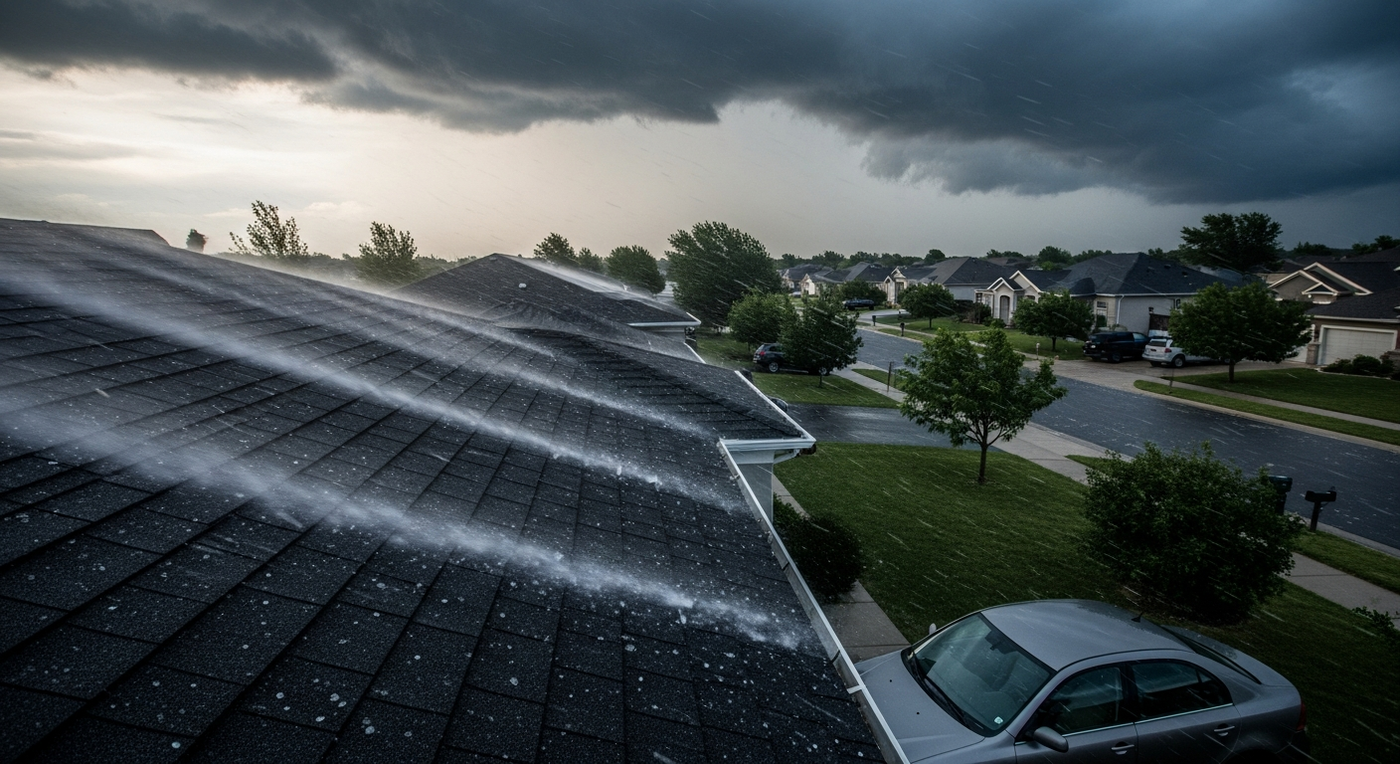
The Claim That Costs More Than the Deductible
Here's what most people get wrong: they calculate the cost of filing a claim by comparing the repair estimate to their deductible. A $2,400 repair minus a $250 deductible feels like a $2,150 net benefit, so the claim makes sense. But that math ignores the premium increase over the next policy term — and often the term after that. If your premium rises by fifteen percent and you were paying roughly $1,100 annually, that's an additional $165 per year. Over a three-year window before the claim ages off your record, the cumulative increase can approach $500 or more, depending on how long the surcharge persists and whether it compounds with other rate factors. (Premium increase estimates based on Insurance Information Institute comprehensive claim data.)
The deductible is a one-time cost. The premium increase is recurring. And because carriers typically apply the surcharge for three to five years, the long-term cost of a claim often exceeds the immediate repair benefit by a significant margin. This creates a counterintuitive decision point: for moderate hail damage — dents that don't compromise the vehicle's function or safety — paying out of pocket can be cheaper over the policy lifecycle than filing a claim and absorbing the rate increase.
That calculation shifts when the damage is severe. A hailstorm that shatters windows, damages the roof structure, or renders the vehicle undrivable crosses a threshold where the repair cost exceeds what most drivers can reasonably self-fund. In those cases, comprehensive coverage delivers its core value: transferring catastrophic loss from the policyholder to the insurer. But the majority of hail claims fall into a gray zone where the damage is real, the repair is necessary, but the cost is manageable enough that the premium impact becomes the deciding factor.
The question isn't whether comprehensive coverage is worth having — roughly 80 percent of insured drivers purchase comprehensive coverage in addition to liability insurance, and the protection against total loss remains essential. The question is whether every covered event justifies a claim, or whether some repairs are better handled outside the insurance system to preserve your claims-free discount and avoid the multi-year rate increase.