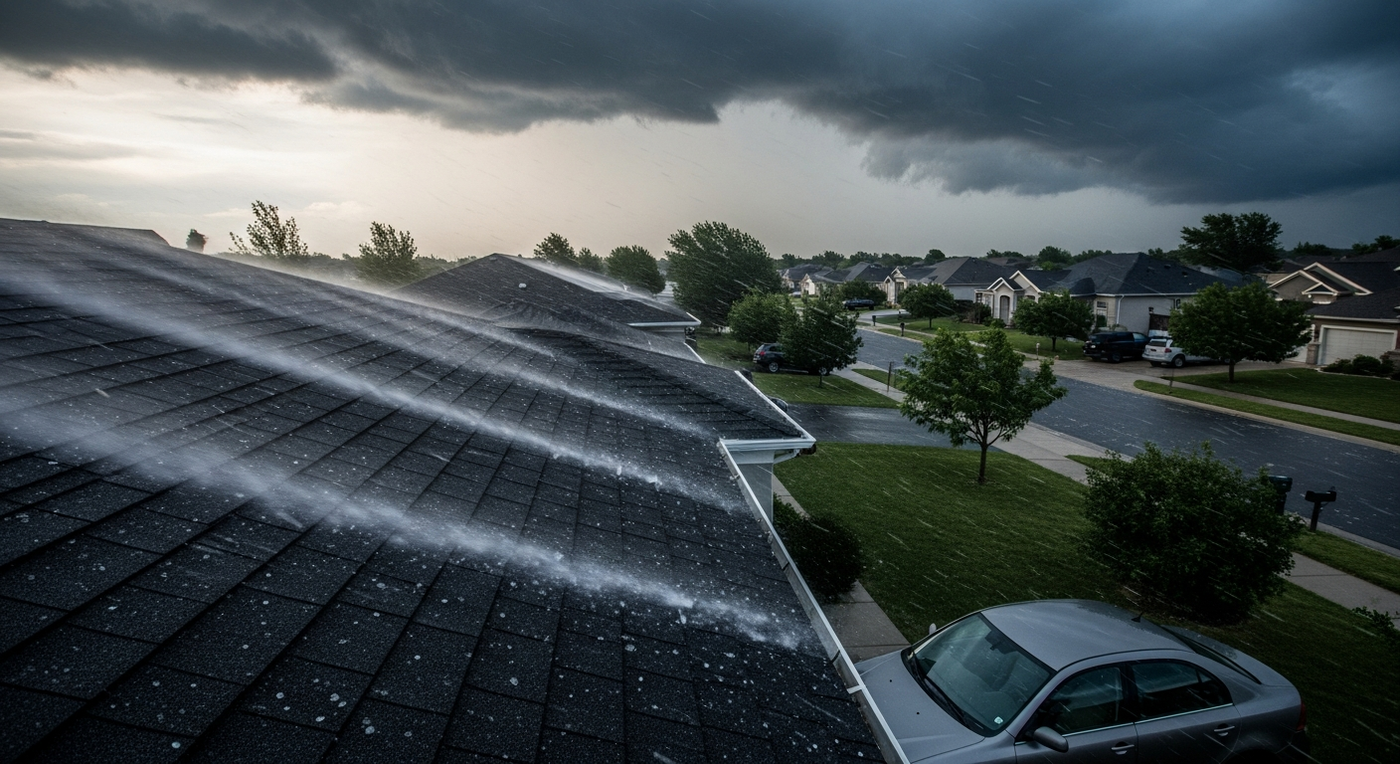
The Alberta Experiment and Its Discontents
The Alberta Hail Suppression Project operates from May through September, targeting storms before they reach maturity. Pilots flying twin-engine aircraft monitor radar and atmospheric soundings, then fly into the updraft regions of developing cells to ignite silver iodide flares. According to the Alberta Severe Weather Management Society, which administers the program, crop damage in the seeded area has decreased by roughly 30-50% compared to historical baselines and adjacent unseeded regions. Insurance claims data from the region shows a similar pattern—fewer severe hail losses in years with active seeding compared to the pre-1996 period.
But meteorologists have argued for decades that proving causation in hail suppression is nearly impossible without randomized controlled trials, and those trials have produced frustratingly ambiguous results. The most rigorous US effort, the National Hail Research Experiment conducted in Colorado during the 1970s, found no statistically significant reduction in hail damage after seeding over 400 storms. A follow-up analysis suggested seeding might have actually *increased* hail in some cases by invigorating updrafts. The problem is that hail occurrence is wildly variable—some summers produce devastating hailstorms, others produce almost none, and teasing apart whether a given year's results stem from seeding or from natural atmospheric variability requires sample sizes that take decades to accumulate.
Alberta's defenders point out that their program differs from the Colorado experiments in critical ways: they seed earlier in storm development, use different flight patterns, and target a broader range of storm types. The insurance companies funding the program clearly believe it provides value, or they wouldn't continue writing checks. But the scientific literature remains cautious. A 2009 review by the World Meteorological Organization concluded that while cloud seeding for precipitation enhancement shows some promise, hail suppression evidence "remains inconclusive" and "further research is needed.".
Here's what strikes me as odd: Alberta's program has generated nearly three decades of operational data, yet no peer-reviewed study has definitively analyzed whether the observed damage reduction exceeds what you'd expect from random chance. The program publishes annual reports showing favorable trends, but academic meteorologists largely ignore it. Either the data is too messy to publish, or the research incentives don't align with operational programs.