Regional Report

Oklahoma's Hail Season Runs Six Months Because Geography Doesn't Take Summers Off

Oklahoma produces hail damage from March through August not because of seasonal weather patterns, but because the state sits permanently at the intersection of three atmospheric engines that never shut down together.

Oklahoma's Hail Season Runs Six Months Because Geography Doesn't Take Summers Off
Hail Protector Editorial / GeminiRegional Report

The Structural Triple Threat

Most states get hail when specific seasonal conditions align. Oklahoma gets hail because it exists where three permanent atmospheric features converge. Gulf moisture flows north from Texas year-round. The jet stream dips south across the Plains throughout spring and early summer. And the dryline—that invisible boundary where humid air slams into desert air—parks itself right over central Oklahoma more days than anywhere else on Earth.

According to Storm Prediction Center research on dryline climatology, this convergence zone doesn't migrate much. It wobbles east and west by a few counties, but Oklahoma City to Tulsa stays in the strike zone from late winter through midsummer. That's why Norman became the home of the National Severe Storms Laboratory in 1964—the storms come to you.

The result: Oklahoma doesn't have a hail season. It has a hail era that spans half the calendar.

Why March Hail Hits Harder Than You'd Think

Early-season hail catches people off guard because March feels too early for severe weather. It's not. The first significant dryline setups typically occur in late March, when daytime heating starts reaching the 70s and 80s but upper-level winds remain strong from winter jet stream patterns.

March hail often produces smaller stones—pea to quarter-sized—but the storms move faster and hit broader areas. A single squall line can rake across fifteen counties in four hours. Roofs still cold from winter take impact damage differently than sun-baked summer shingles. Insurance adjusters in Oklahoma report that March claims often show more concentrated denting patterns, which some attribute to hail falling at higher velocities in colder air.

And here's what most people miss: March storms frequently occur at night. A notable 2007 hail event that hit northwest Oklahoma City happened after 10 PM. You wake up to a dimpled hood and no memory of hearing anything.

~120

stations

Mesonet monitoring sites statewide

105

miles

I-44 hail exposure corridor

$47M

August 2020 three-hour event

The Mesonet Advantage Nobody Uses

Oklahoma operates the most sophisticated state-level weather monitoring system in the country. The Oklahoma Mesonet consists of approximately 120 automated stations—roughly one every 20 miles—measuring temperature, humidity, wind, pressure, and rainfall every five minutes.

This infrastructure gives Oklahoma residents access to hyperlocal atmospheric data that meteorologists in other states would kill for. You can watch the dryline position update in real-time. You can see dewpoints spiking county by county as Gulf moisture surges north. You can track surface wind shifts that signal an approaching gust front fifteen minutes before it arrives.

Almost nobody actually does.

The data exists. The public website is free. But the gap between infrastructure and behavior remains enormous. Most Oklahoma drivers still get their severe weather information from push notifications that arrive after the storm is already overhead. The Mesonet shows you what's coming while you still have time to pull off I-40 and wait it out at a truck stop.

Oklahoma hail season

Oklahoma hail season

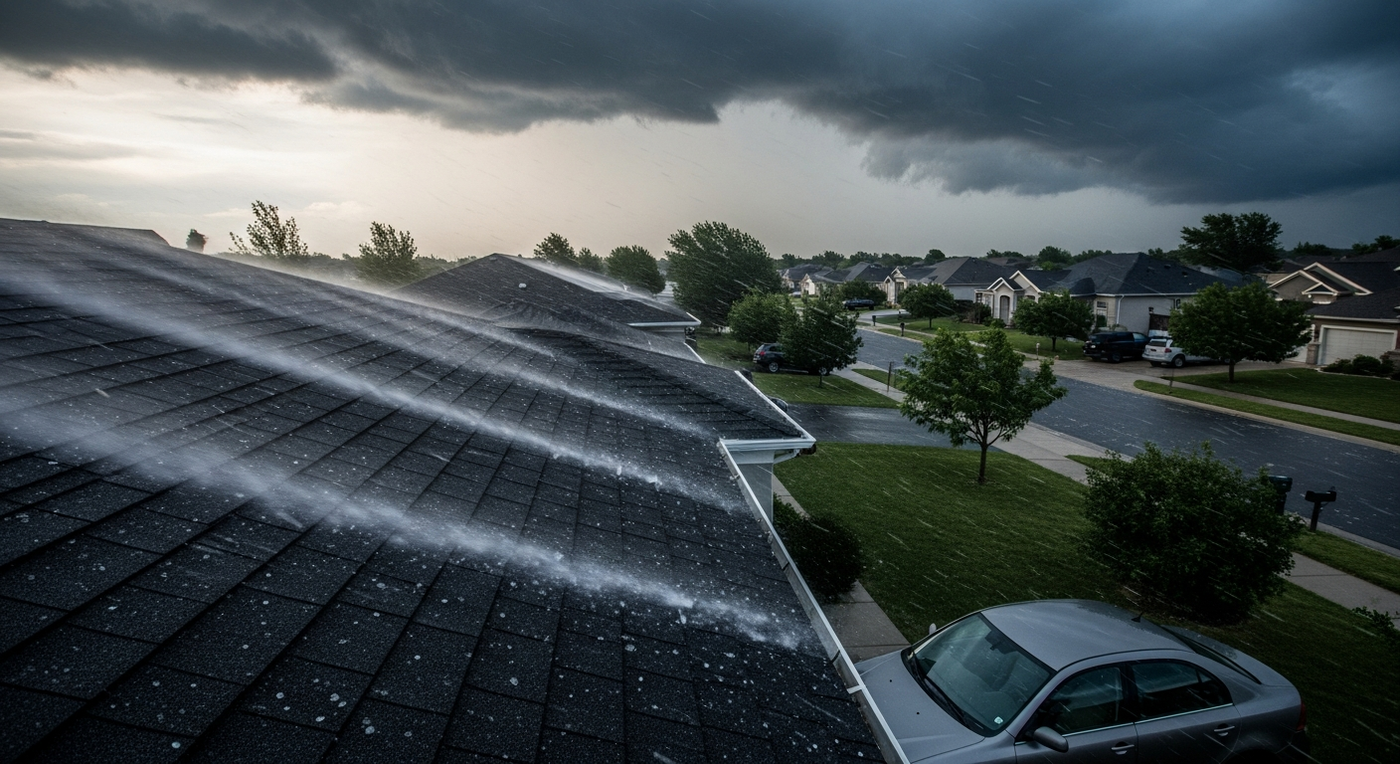
Conventional wisdom says hail season ends in June when the jet stream retreats north into Canada. Oklahoma didn't get the memo.
Three hours, $47 million in damage, and most people thought hail season was long over.
Review deployment options

The Storm Chasing Birthplace Effect

Oklahoma became the birthplace of organized storm chasing in the 1970s because the storms were already here.

This creates a strange cultural dynamic. Oklahomans grow up with severe weather literacy that residents of other states never develop. Elementary school kids know what a wall cloud looks like. High schoolers understand the difference between a watch and a warning. But familiarity breeds a specific kind of complacency.

You've seen a hundred severe thunderstorm warnings that produced nothing but rain. You've watched wall clouds that never dropped a tornado. So when the warning comes through on a Wednesday afternoon in May, you keep driving. The hail that breaks your windshield on the Turner Turnpike isn't the first storm you've ignored—it's just the first one that caught you.

The structural geography that makes Oklahoma perfect for studying severe weather also makes it unavoidable for people who live here. The storms aren't seasonal visitors.

Verified Sources

  1. NOAA National Centers for Environmental Information

    NOAA National Centers for Environmental Information

    historical severe weather event documentation

  2. NOAA Storm Prediction Center

    NOAA Storm Prediction Center

    Official convective outlook archive and risk categories.

  3. spc.noaa.gov

    spc.noaa.gov

    Referenced in article via spc.noaa.gov.

Back to Hail Science