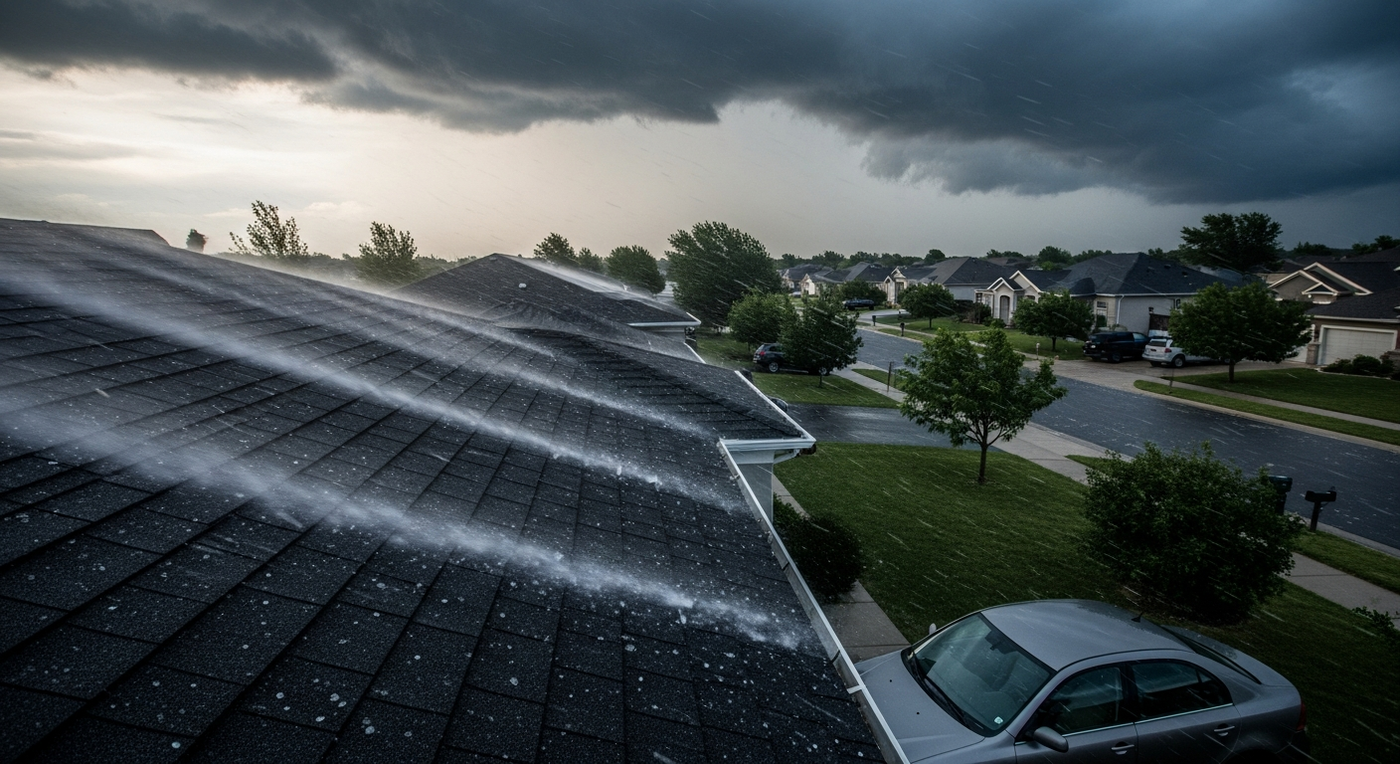
The Balcones Escarpment Acts as a Tripwire
The National Weather Service office in New Braunfels monitors a geological feature that most San Antonio residents never think about: the Balcones Fault Zone, a 300-mile escarpment where the Texas Hill Country rises abruptly from the coastal plains. This limestone shelf runs northeast from Del Rio through San Antonio and Austin, creating an elevation change of approximately 500 to 800 feet over just a few miles.
When warm, moist air from the Gulf of Mexico pushes inland in early spring, it hits this escarpment and gets forced upward. That vertical lift—called orographic forcing—acts like a launching ramp for thunderstorms. The air cools as it rises, water vapor condenses, and if the upper-level winds are strong enough, you get the rotating updrafts that define supercells. San Antonio sits right at the collision point, which is why the city often sees the first significant hail events of the Texas spring season.
Dallas has no comparable topographic trigger. The terrain from Fort Worth east to Greenville is gently rolling prairie, with elevation changes measured in dozens of feet rather than hundreds. Storms don't get an automatic boost from the landscape. Instead, they require more atmospheric energy to organize—stronger wind shear, greater instability, a more pronounced dryline. These ingredients typically don't align over North Texas until mid-to-late April, when the jet stream has migrated far enough north and Gulf moisture has deepened across the region.
The result is a predictable lag. According to Storm Prediction Center climatology data, the Texas Hill Country averages its first reports of severe hail (one inch diameter or larger) around March 10 to 15 each year. For the Dallas-Fort Worth metroplex, that average date shifts to April 12 to 18. The difference is typically three to four weeks, sometimes as much as five in years when the spring pattern develops slowly.
Here's what most people get wrong: they assume earlier hail season means worse hail season. San Antonio gets hit first, so it must get hit hardest, right? The data says otherwise. While South Texas triggers storms earlier, North Texas sustains them longer and produces more of the intense, slow-moving supercells that generate catastrophic hail.