Explainer Deep Dive

When the Warning Says "Golf Ball Sized Hail," Your Windshield Is Already in Danger

National Weather Service size comparisons translate directly to vehicle damage thresholds — but the largest stones in any storm are typically 50% bigger than the warning states.

When the Warning Says "Golf Ball Sized Hail," Your Windshield Is Already in Danger
Hail Protector Editorial / GeminiExplainer

The Measurement Problem Nobody Talks About

The National Weather Service doesn't issue warnings based on what sounds scary. They use object comparisons because telling someone "1.75-inch diameter hail" produces blank stares, while "golf ball sized" creates an instant mental image. The problem: most people have never held a golf ball against their car hood and thought about impact physics. A golf ball dropped from your hand makes a thud. A golf ball falling at approximately 50 mph — the typical terminal velocity of hailstones that size — punches through factory clear coat like a ball-peen hammer.

The size categories aren't arbitrary. They correspond to damage thresholds that insurance adjusters and automotive engineers have documented over decades. But the warnings describe *typical* maximum size in a storm cell, not the outliers that actually hit your vehicle.
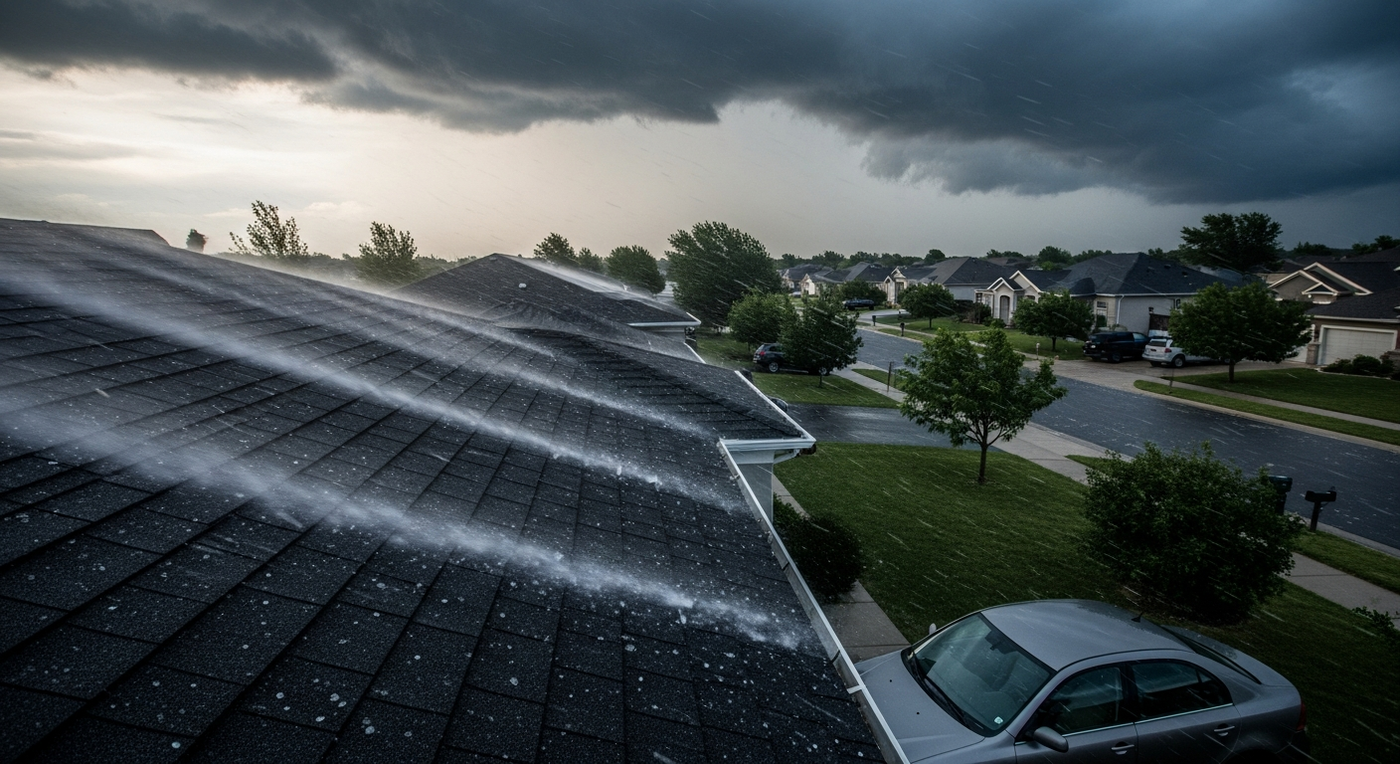
The Real Damage Thresholds

Pea to penny (¼ to ¾ inch): Cosmetic annoyance. These sizes rarely damage modern vehicles unless you're driving a classic with original single-stage paint. They'll strip wax and can pit soft plastics, but body panels typically survive intact.

Quarter sized (1 inch): The threshold where insurance claims begin. One-inch hail typically creates visible dents in aluminum hoods and trunk lids, according to Insurance Information Institute data. Steel panels show dimpling. Windshields usually hold, though existing chips can propagate into cracks. This is the size where "should I pull over?" becomes "yes, immediately.".

Golf ball (1.75 inches): Guaranteed body damage and probable glass damage. The kinetic energy at this diameter breaks through clear coat, exposing bare metal to rust. Windshields develop spider-web cracks even without prior damage. Side mirrors often shatter. Aftermarket plastic spoilers and trim pieces crack or detach entirely. Repair estimates often run several thousand dollars across multiple panels.

Tennis ball (2.5 inches): Structural damage territory. Stones this size create crease dents that cannot be pulled out with paintless dent repair. They shatter windshields completely, cave in sunroofs, and can buckle thin roof panels on sedans. Hail this large has punched through residential siding and vinyl soffit.

Baseball and larger (2.75+ inches): Total loss threshold for many vehicles. The impact force approaches what body panels experience in low-speed collisions. Hoods can develop stress cracks around the dents. Roof pillars sometimes show deformation. These storms produce the viral videos of parking lots full of vehicles with shattered glass and cratered panels.

What "Golf Ball Sized" Doesn't Tell You

Here's the part that matters for decision-making: when a severe thunderstorm warning mentions golf ball sized hail, that describes the *median* maximum size forecasters expect. The actual size distribution in any hail shaft follows a curve. The largest 10-20% of stones are often 50-100% larger than the stated size.

A "golf ball hail" warning means some stones will be tennis ball sized. A "tennis ball" warning means you're likely to see baseballs. The Storm Prediction Center uses the smaller figure because it represents what most of the storm will produce, but your car doesn't care about statistical averages. It only takes one baseball-sized stone to total a windshield.

This isn't forecaster error — it's the nature of hail formation. Stones grow as they cycle through a storm's updraft, and the largest ones represent the extreme end of that process. They're rarer, but they're always present in severe cells.

The Velocity Factor Everyone Forgets

Size comparisons also ignore horizontal motion. A golf ball falling straight down at 50 mph is one thing. A golf ball driven at a 45-degree angle by 60 mph straight-line winds — common in severe thunderstorms — hits with approximately double the kinetic energy. Windshields are engineered to handle impacts from the front (road debris while driving), not from above at compound angles.

This is why hail damage often seems worse than the warning suggested. A "quarter-sized" storm with 50 mph winds produces impact energy equivalent to much larger hail in calm conditions. The warnings describe stone size, not impact force.

When to Actually Take Cover

The actionable threshold: any warning mentioning hail one inch or larger (quarter-sized) means stop driving and find overhead protection immediately. Not "finish this errand." Not "I'm only two miles from home." Immediately.

Parking garages, gas station canopies, and highway underpasses all work. Even a dense tree canopy can reduce impact energy by an estimated 40-60%, though falling branches become their own hazard in severe storms. What doesn't work: staying in your vehicle in an open parking lot hoping the storm passes quickly. Hail shafts often last 5-15 minutes, but that's long enough for dozens of impacts.

For hail 1.75 inches (golf ball) or larger, your vehicle *will* sustain damage if left exposed. The question isn't whether to seek cover but whether you have time to reach it before the core arrives. If hail is already falling, stay put — driving into the hail shaft to reach a garage causes more damage than sitting still.

50-100

%

Larger than warning states

50

mph

Terminal velocity impact speed

1.75

in

Guaranteed body damage threshold

10-20

min

Warning lead time available

The Warning Timeline Problem

Severe thunderstorm warnings often provide 10-20 minutes of lead time before the storm reaches a given location, according to the Storm Prediction Center. That sounds like plenty of time until you factor in decision paralysis and traffic. By the time most people hear the warning, process what "golf ball sized" means, and start moving, the window has narrowed to minutes.

The National Weather Service has started including damage threat tags in warnings — "CONSIDERABLE HAIL DAMAGE TO VEHICLES IS EXPECTED" appears in golf-ball-or-larger events. These tags are more useful than size comparisons for immediate decision-making, but they're buried in the text block most people never read beyond the headline.

Why the Comparisons Persist

The NWS has tested alternatives. Diameter measurements confuse people. Damage descriptions ("vehicle-damaging hail") are too vague for trained spotters who need to report specific sizes. Color-coded categories (like hurricane scales) were rejected because hail size can change rapidly within a single storm, making category assignments misleading.

Object comparisons remain the least-bad option for communicating to both the public and the meteorological community. The solution isn't better metaphors — it's understanding that "golf ball" means "your car is in serious danger" and acting accordingly.

What Actually Protects Your Vehicle

Hail blankets and car covers provide minimal protection below tennis-ball size and none above it. The foam padding in commercial hail blankets is often ½ to ¾ inch thick — enough to absorb pea-sized impacts but insufficient for anything larger. Some people swear by moving blankets or sleeping bags draped over windshields, which does reduce glass breakage risk slightly but leaves paint exposed.

The only reliable protection is solid overhead structure: concrete, steel, or heavy timber. Carports with corrugated metal roofing are borderline — they'll stop golf balls but may not survive baseballs, and falling roofing material creates secondary damage.

The Insurance Timing Window

Here's a detail most people miss: comprehensive insurance covers hail damage regardless of whether you were driving or parked, but it doesn't cover failure to take reasonable precautions. If you receive a severe thunderstorm warning, have time to move your vehicle to covered parking, choose not to, and sustain damage, some insurers have argued contributory negligence in denying claims.

This is rare and difficult to prove, but it has happened in cases where someone left a vehicle in an open airport parking lot for a week with severe weather forecasted. The practical threshold: if you're present with the vehicle and receive a warning, moving it to protection is expected. If you're away from the vehicle (at work, traveling), you're not liable for damage.

Reading Between the Lines

Pay attention to warning updates. If a severe thunderstorm warning is reissued with *larger* hail sizes in the second bulletin, the storm is intensifying and the actual maximum size is likely growing faster than the forecast. If the warning mentions "giant hail" (2+ inches) anywhere in the text, treat it as a baseball-hail event regardless of the specific size stated.

Also watch for "observed" versus "expected" language. "Golf ball sized hail reported" means trained spotters have confirmed that size on the ground — the forecast has become reality. "Golf ball sized hail possible" means conditions support it but it hasn't been confirmed. The former requires immediate action; the latter gives you a few minutes to assess.

The National Weather Service isn't hiding information or downplaying threats. They're working within the constraints of how hail forms and how people process risk. Understanding that "golf ball" means "potentially several thousand dollars in damage" and "the largest stones will be bigger" turns a vague comparison into actionable intelligence. The warning gives you the size. The physics gives you the impact. What you do with those ten minutes determines whether you're filing a claim.

Verified Sources

  1. NOAA Storm Prediction Center

    NOAA Storm Prediction Center

    Official convective outlook archive and risk categories.

Back to Hail Science