Seasonal Guide Seasonal Briefing

The Three December Tasks That Prevent March Hail Panic

Purchasing hail protection during winter's low-demand window gives drivers full inventory access, predictable shipping, and time to test equipment before storms arrive.

The Three December Tasks That Prevent March Hail Panic
Hail Protector Editorial / GeminiSeasonal Guide

Why the Calendar Matters More Than the Weather

The worst time to buy a hail car cover is April 15th, when your weather app shows a severe thunderstorm watch and every other driver in Oklahoma City has the same idea. Suppliers run out of popular sizes. Shipping times stretch from two days to two weeks. Prices jump. And you're left refreshing tracking pages while supercells build on the radar.

December through February reverses every one of these problems. Manufacturers maintain full inventory. Standard shipping actually means standard shipping. Seasonal discounts appear.

The principle extends beyond covers. Insurance agents have open calendars in January. Contractors can inspect garage door seals without a three-week wait. Even the mental bandwidth to research storm apps and read policy exclusions—resources that evaporate when you're watching a hail core approach on loop—exists in abundance during winter.
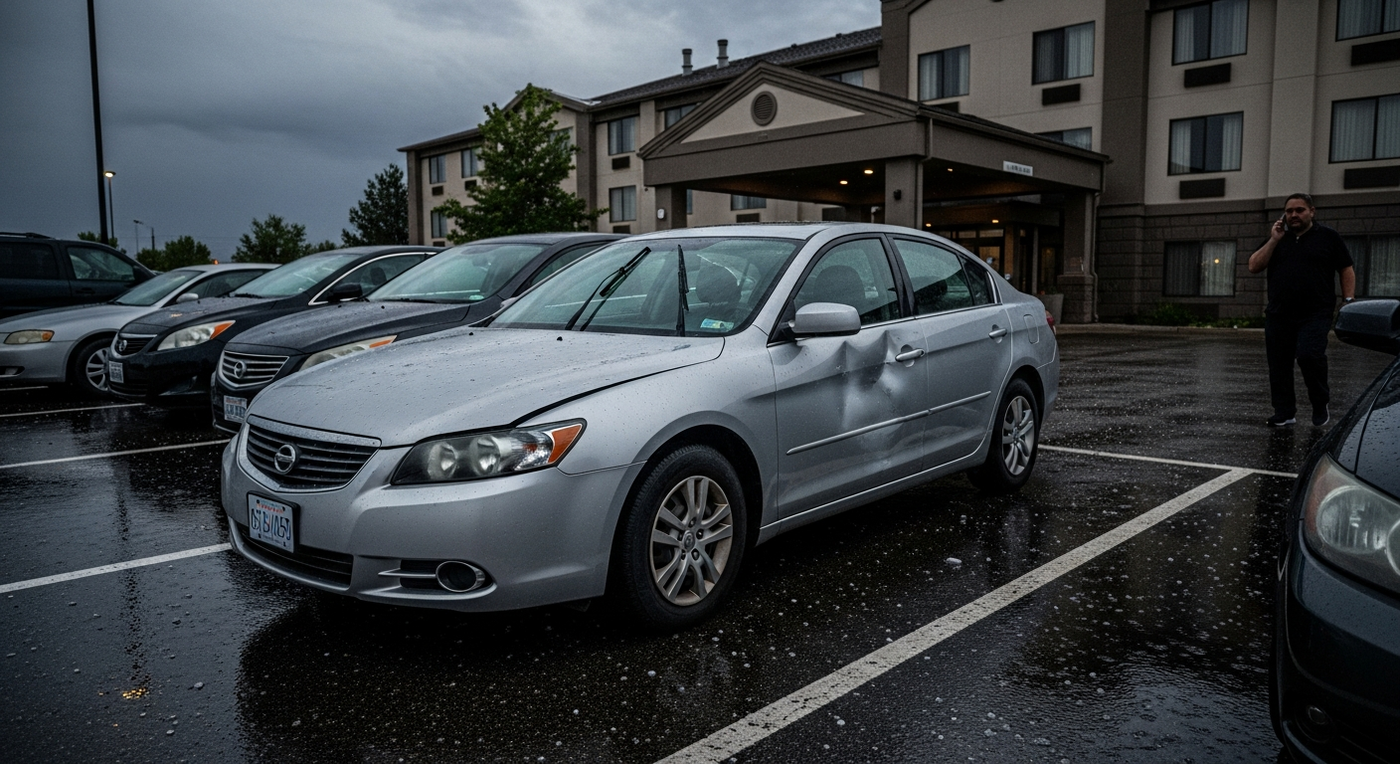
The December Shopping List

Start with physical protection. Car covers designed specifically for hail resistance use layered foam or padded fabric construction, typically ranging from approximately $300 to over $1,000 depending on vehicle size and protection level. According to Insurance Information Institute data, comprehensive claims for hail damage often run into the thousands of dollars, making a quality cover a reasonable investment for vehicles parked outdoors regularly.

Order before mid-January to avoid the early-season rush that begins when the first long-range forecasts mention active spring patterns. Measure your vehicle's length, width, and height with the mirrors extended—most sizing charts assume mirrors fold, which creates gaps. Read reviews specifically mentioning wind performance; a cover that blows off in 40 mph straight-line winds preceding a hailstorm provides zero protection.

Portable canopies represent the second tier of protection. These temporary carports cost approximately $400 to over $1,200 and require assembly, but they shelter vehicles when permanent garage space doesn't exist. December purchases allow time for practice setup. The first assembly always takes three times longer than expected, and you don't want your learning curve happening as a storm approaches.

For homeowners, garage door seal inspection belongs on the December list. Hail doesn't need to penetrate a garage to cause damage—wind-driven rain through worn seals can harm stored items and create conditions for the hail that inevitably finds its way in through gaps. Contractors charge less for inspections during their slow season and can schedule seal replacement before spring demand spikes.

The January Insurance Appointment

Most drivers treat insurance policies like terms-of-service agreements: accepted without reading, remembered only when needed. January offers a rare window when agents have time for actual conversations rather than hurried phone calls between claims.

Schedule a comprehensive coverage review. Verify your deductible—many drivers discover during a claim that they agreed to a deductible of $1,000 or $2,500 to lower premiums, which makes sense for major accidents but stings when hail damage repair costs fall just above that threshold. Ask specifically about diminished value coverage, which addresses the resale impact of a vehicle with hail damage history even after professional repair.

Document your vehicle's current condition during this same window. Photograph all exterior surfaces in good lighting, capturing the roof, hood, and trunk from multiple angles. Timestamp these images. If you file a claim in May, these photos prove which dents came from the storm versus pre-existing door dings, eliminating disputes about coverage scope.

Some policies include rental car coverage during repairs, but the details matter. Does coverage begin immediately or after a waiting period? What's the daily limit—typically $30, $50, or $75? Hail damage repairs can take weeks during busy seasons when body shops are backlogged, so a policy that covers only five days of rental leaves you paying out of pocket for the remainder.

The February Technology Setup

Storm alert apps proliferate, but most drivers download them five minutes before a watch is issued, then fumble through settings while trying to decide whether to leave work early. February is when you actually read the documentation.

The National Weather Service offers free alerts through multiple channels, but customization determines usefulness. Set location-based notifications for your home, workplace, and common driving routes. Distinguish between watches (conditions are favorable) and warnings (a storm is occurring or imminent). Enable severe thunderstorm warnings specifically—these accompany hail-producing storms even when hail isn't the primary threat mentioned.

Test the alerts. Most apps allow you to trigger a sample notification. Verify your phone actually makes noise—many users discover their device is perpetually on silent or that notification permissions were never granted. Check whether alerts come through when your phone is locked or when you're using other apps.

Learn to read radar beyond the colorful blobs. The Storm Prediction Center provides mesoscale discussions and convective outlooks that explain the atmospheric setup, not just where storms currently exist. Understanding the difference between a marginal risk day and a moderate risk day helps you decide whether to park in the covered garage downtown (expensive, inconvenient) or risk the surface lot (free, exposed).

Here's what most people get wrong: they focus entirely on hail size reports and ignore storm motion. A storm producing golf ball hail is irrelevant if it's moving northeast and you're northwest of its path. Fifteen minutes spent in February learning how to interpret storm tracks saves hours of unnecessary anxiety in April.

The Pre-Season Dry Run

March should be rehearsal month. Practice your actual hail response plan with the equipment you purchased and the knowledge you acquired.

Time how long it takes to deploy your car cover in realistic conditions—not standing in your driveway on a calm Sunday morning, but in a parking lot with wind gusting and your hands shaking slightly because you're rushing. Most covers require approximately 2 to 4 minutes for experienced users, but first attempts often take 10 minutes or more. That difference matters when you have a fifteen-minute warning.

Drive your planned shelter routes. If your workplace is exposed but a covered parking garage exists eight blocks away, make that drive during afternoon traffic to understand whether it's actually feasible. A route that takes 3 minutes on Sunday at 10 AM might take 15 minutes on Wednesday at 4 PM, which changes the calculus of whether to relocate your vehicle or accept the risk.

Test your communication plan. Who needs to know where you parked? If you relocate your car to a friend's garage, does your spouse know? Do you have that friend's gate code saved in your phone, or is it written on a sticky note at home? These details seem trivial until you're standing in front of a locked gate with hail audible in the distance.

What December Preparation Actually Buys

The practical benefits are obvious: equipment in hand, knowledge in mind, plans tested. But the psychological advantage matters more than most drivers anticipate.

Hail season carries ambient stress. Every dark cloud triggers a mental calculation. Every weather notification interrupts concentration.

December preparation converts that helpless anxiety into calibrated readiness. You still pay attention to forecasts, but you're monitoring a situation you can address rather than dreading a threat you can't. When a severe thunderstorm watch is issued, you're executing a plan instead of improvising one.

The difference shows in decision quality. Unprepared drivers make binary choices under pressure: panic and waste two hours relocating their car for a storm that never materializes, or ignore warnings and suffer damage from a storm that does. Prepared drivers make nuanced decisions based on actual risk assessment because they have the mental space to think rather than react.

Decision Tradeoffs

Pros

  • Full product selectionAll sizes and models available from manufacturers
  • Predictable delivery timesStandard shipping operates normally without delays
  • Time to test fitExchange ill-fitting equipment before emergencies
  • Lower seasonal pricingDiscounts appear during off-peak demand

Tradeoffs

  • Upfront investment requiredSpending hundreds before storms seem imminent
  • Storage space neededCovers and canopies require room until spring
  • Motivation challengeHard to prioritize when threat feels distant

Winter purchasing eliminates spring panic at the cost of advance planning and storage.

The February Deadline

Mid-February represents the hard cutoff for preparation. After that, weather patterns shift. The first marginal risk days appear on outlooks. Suppliers notice increased order volume.

More importantly, your attention shifts from preparation to monitoring. Once severe weather becomes a realistic near-term possibility rather than an abstract future concern, the mental space required for research and planning evaporates. You're checking radar, not reading insurance policy details.

This creates a paradox: the closer you get to hail season, the more important preparation becomes and the harder it becomes to actually do it. December and January offer the only window when the stakes are high enough to motivate action but the pressure is low enough to allow thoughtful action.

Drivers who complete the three core tasks—purchasing physical protection, reviewing insurance coverage, and configuring alert systems—before March enter hail season in a fundamentally different position than their neighbors. When the first severe thunderstorm watch is issued, they're not scrambling to figure out what to do.

Buyer Questions

Back to Storm Prep