Why the Window Closes So Fast
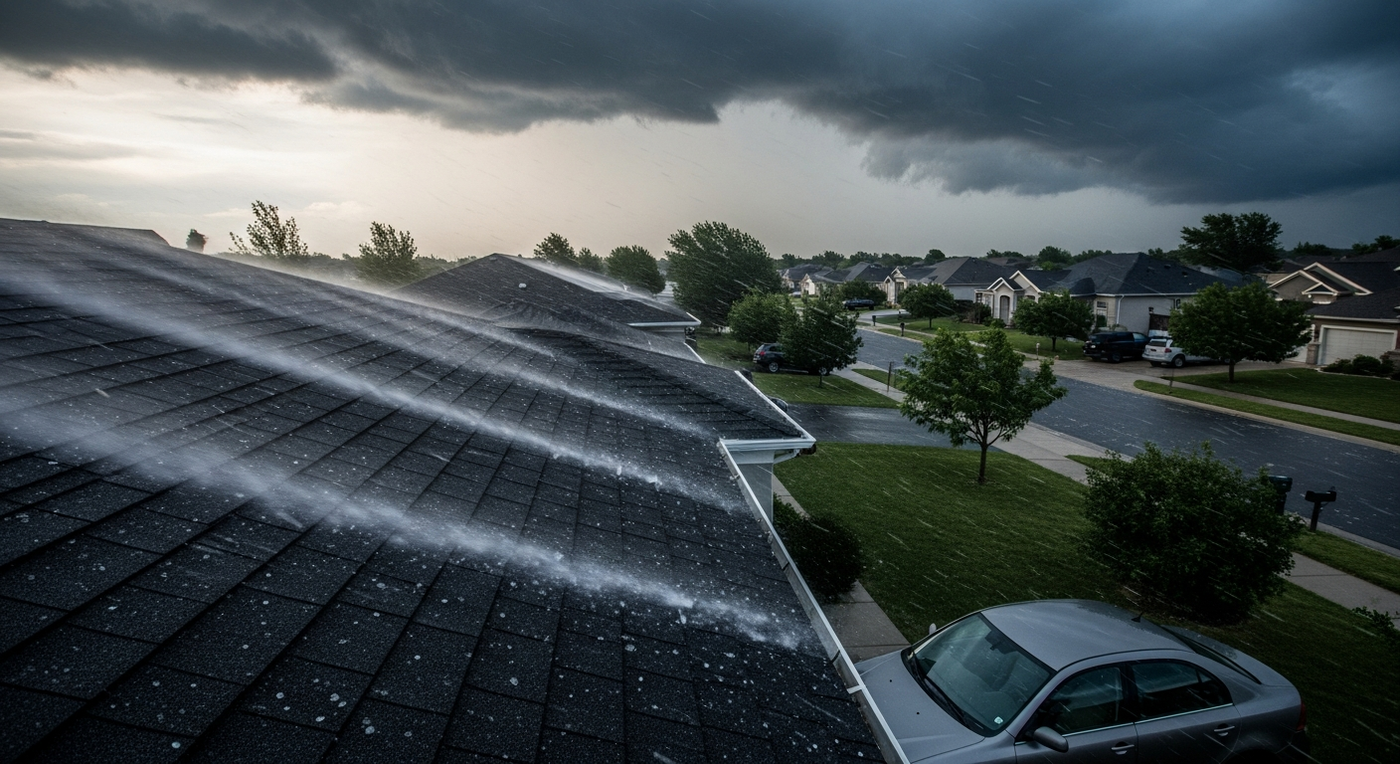
Colorado's severe hail season requires a specific atmospheric recipe, and that recipe has a short shelf life. You need strong upper-level winds, abundant moisture from the Gulf of Mexico, intense surface heating, and sufficient instability to build towering supercell thunderstorms. All four ingredients peak simultaneously for roughly three months.
By mid-July, the monsoon pattern typically establishes itself across the Southwest, shifting moisture flow and changing storm characteristics. The jet stream retreats northward. Surface heating remains intense — July and August are hot — but the upper-level dynamics that support organized supercells with large hail cores weaken. You still get thunderstorms. You still get lightning and heavy rain. But the storms that produce baseball-sized hail become outliers rather than weekly occurrences.
April presents the opposite problem: insufficient heating. Early-season hail events happen, but they're typically associated with strong cold fronts where dynamics compensate for marginal instability. The really prolific hail days — the ones that generate thousands of claims — need the combination of May and June heating with spring storm dynamics.
Recent seasons have illustrated this pattern with unusual clarity. The Front Range typically sees scattered severe weather in April, then an explosion of activity in May and June, followed by a notable drop-off in July despite continued thunderstorm activity. Nearly every major hail event in peak years — the kind that makes news and overwhelms body shops — occurs in a six-week period between mid-May and late June.
Here's what surprises people: this narrow window doesn't mean Colorado gets less hail than other states. It means Colorado packs a high concentration of damaging events into three months that states like Texas spread across five months, or that Oklahoma distributes from April through September. The concentration creates logistical nightmares. When a severe hailstorm hits Denver in early June, you're not just competing with your neighbors for contractor availability — you're competing with homeowners from three other storms that happened in the previous two weeks.