The Claim That Keeps Growing
Insurance adjusters have adapted, but policyholders often haven't. A driver who's filed hail claims before expects a certain cost range based on previous experience. That 2018 hail claim that totaled several thousand dollars for a similar-looking damage pattern might run significantly more on a 2024 model once you factor in sensor work. The adjuster's estimate line items now include entries like "Front Radar Calibration" and "Camera Aiming" that weren't there five years ago.
This creates a strange dynamic at the repair threshold. Hail damage that would have been a clear repair on an older vehicle sometimes pushes a newer vehicle into total-loss territory. The math is straightforward: if repairs approach roughly 70% to 80% of the vehicle's actual cash value, insurers typically total it out. ADAS recalibration costs can add an estimated $1,500 to $3,000 to a claim depending on how many sensors need attention. That's often enough to tip a borderline case into total-loss status.
The parts availability problem compounds everything. Many ADAS components are manufacturer-specific and can't be sourced from aftermarket suppliers. A replacement radar unit for a premium German sedan might cost approximately $2,200 and take several weeks to arrive. During that wait, the vehicle sits undriveable because the safety systems throw constant error messages. Some insurance policies cover rental cars during repairs, but many cap rental coverage at around 30 days — potentially insufficient for complex ADAS repairs with parts delays.
Here's the counterintuitive bit: comprehensive coverage hasn't gotten dramatically more expensive despite these higher repair costs. Premiums have increased approximately 15% to 25% over the past five years, but much of that stems from general inflation in parts and labor rather than ADAS-specific costs. Insurers spread the risk across their entire pool of policyholders, so the individual driver with a 2025 Camry doesn't pay triple the premium of someone with a 2015 Camry. They pay somewhat more, but the real cost shock arrives at claim time when the repair estimate comes back.
The repair shop selection matters more than it used to. Insurance companies maintain networks of preferred shops, and increasingly those networks favor larger multi-shop operators who can afford ADAS equipment. The independent shop that's handled your family's repairs for twenty years might not be able to touch your new vehicle. Some insurers will still authorize the repair at a non-network shop, but they'll only pay for recalibration at a separate facility that has the equipment, which means you're coordinating between two shops and potentially dealing with transportation logistics.
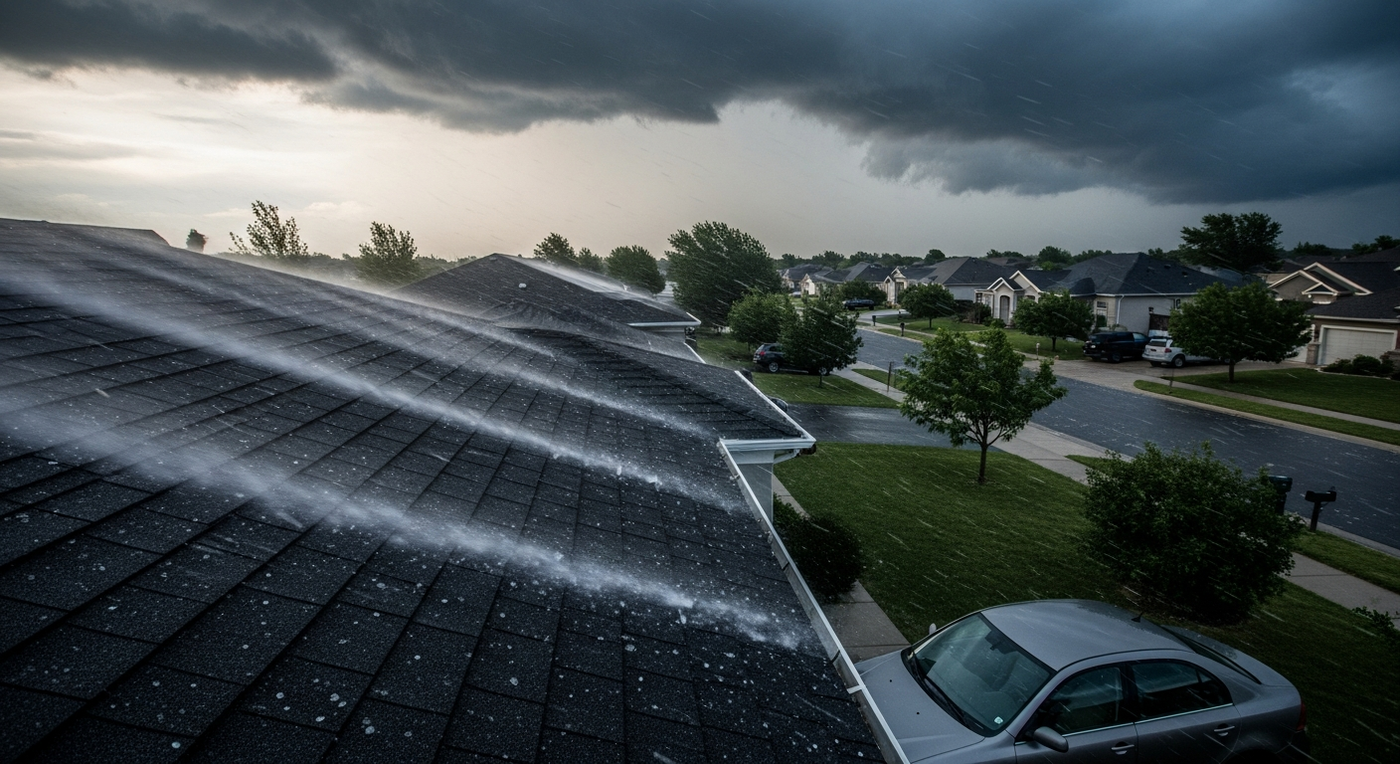
Hail-prone regions have seen the most dramatic shifts. In areas where severe hail occurs multiple times per spring — parts of Colorado, Texas, and the Great Plains — body shops have had to invest in ADAS capabilities or exit the hail repair business entirely. According to Storm Prediction Center climatology data, the central United States experiences the highest frequency of large hail events globally, with some counties averaging multiple severe hail days per year. Those are the markets where ADAS recalibration has gone from specialty service to standard procedure.
The technology will keep spreading. Automatic emergency braking is scheduled to become mandatory on all new passenger vehicles sold in the United States starting in the 2029 model year, though most manufacturers have already implemented it. Rear cross-traffic alert, blind-spot monitoring, and lane-keeping assist are becoming standard even on base trim levels. Each new system means another sensor, another calibration requirement, another cost multiplier when hail strikes.
There's no going back to simpler vehicles unless you're willing to buy used. The 2015-2018 model years represent a sweet spot — modern enough for reliability and efficiency, old enough to avoid the full ADAS sensor suite. But those vehicles age out of the fleet every year, and the used market increasingly consists of sensor-laden models that carry the same repair cost challenges as new ones.