The Aftermarket Doesn't Exist
Walk into any auto glass shop and ask for an aftermarket panoramic sunroof for a 2022 Toyota Highlander. You'll get a sympathetic look and a referral to the dealership parts department. Unlike windshields — where companies like Safelite stock aftermarket replacements for virtually every vehicle on the road — panoramic sunroof glass remains almost exclusively an OEM proposition. The reasons are partly technical and partly economic.
Windshields are relatively standardized in their attachment methods and can be manufactured to SAE specifications that allow cross-compatibility. Panoramic roofs, by contrast, typically integrate with vehicle-specific drainage systems, headliner mounting points, shade track assemblies, and increasingly, with electrochromic dimming systems that require proprietary wiring harnesses. A 2024 Mercedes-Benz GLE's panoramic roof isn't just glass — it's a module that communicates with the vehicle's CAN bus to control tint levels based on ambient light sensors. Manufacturing an aftermarket version would require reverse-engineering not just the glass dimensions but the entire electronic control architecture.
The economic reality is simpler: there isn't enough volume to justify tooling costs. A windshield supplier might produce roughly 50,000 units of a popular model's windshield annually across the aftermarket. Panoramic sunroofs are option packages or trim-specific, fragmenting the market. Even on vehicles where they're standard equipment, you're looking at perhaps 15,000 to 20,000 units per model year for a popular configuration. For a part that only gets replaced after catastrophic damage — not routine wear — the business case collapses.
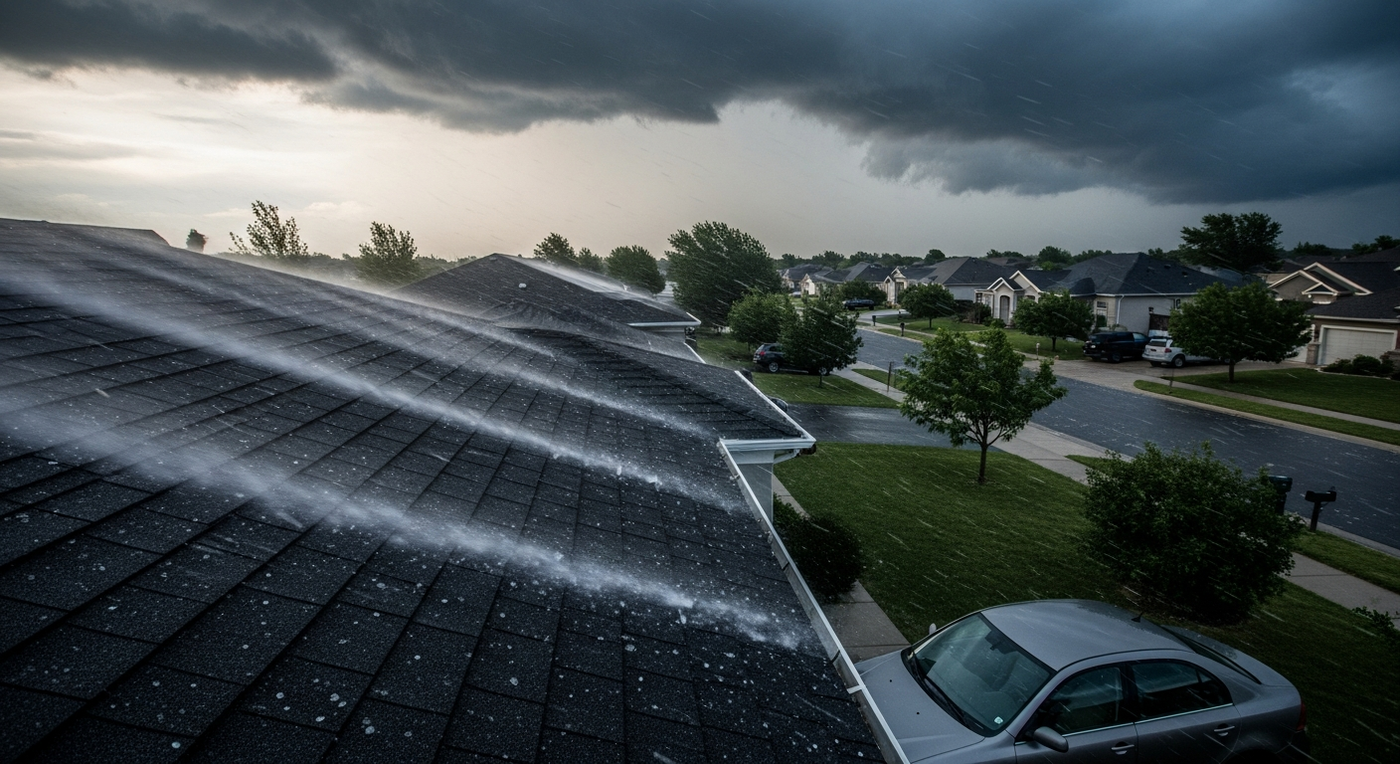
This forces owners into OEM replacement, which means dealership parts departments and typically 4-8 week backorder windows during peak hail season. After the May 2024 hailstorms that swept through Kansas and Missouri, some Volkswagen Atlas owners reportedly experienced waits of up to 12 weeks for panoramic glass assemblies. The glass itself ships from suppliers in Germany or Mexico, and manufacturers don't stockpile expensive, vehicle-specific glass panels the way they might keep common service parts on hand. You're waiting for your specific piece of glass to be manufactured, shipped, cleared through customs, and distributed to the regional parts depot.
During that wait, you're driving around with what amounts to a structural compromise in your roof. Most temporary solutions involve industrial-strength clear packing tape or plastic sheeting secured with weatherstrip adhesive — neither of which is designed for highway speeds or car wash equipment. Insurance companies will typically cover a rental vehicle during the repair window, but that's another claim expense that drives up the total loss calculation.