Regional Report Nebraska Hail Report

Nebraska's Hail Season Peaks in June—And Most Drivers Aren't Ready

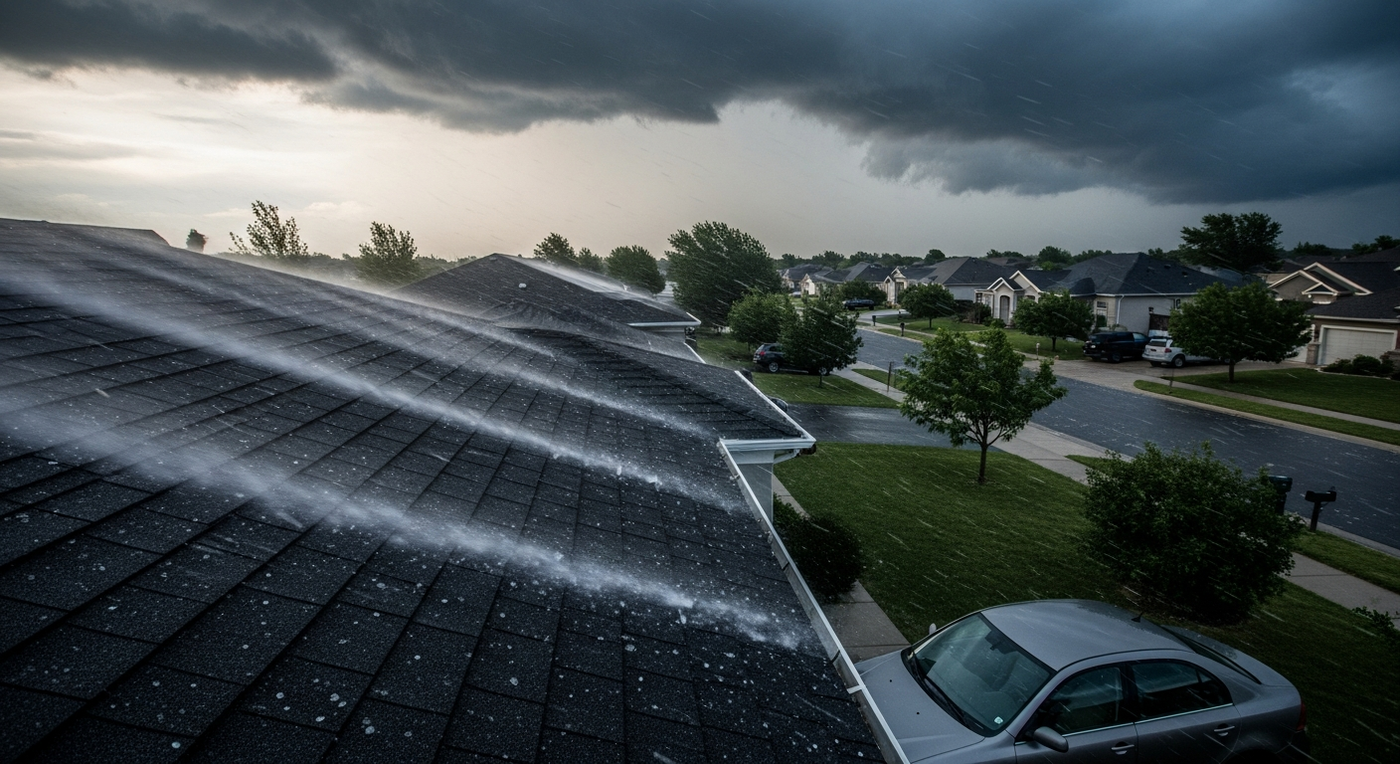
While Texas and Oklahoma see their worst hail in April and May, Nebraska's damage peak arrives a full month later, catching unprepared drivers during the June warm-sector surge.

Nebraska's Hail Season Peaks in June—And Most Drivers Aren't Ready
Hail Protector Editorial / GeminiRegional Report

The Late-Season Surprise

On June 3, 2014, a supercell carved a 100-mile path across northeast Nebraska, dropping baseball-sized hail that shattered windshields from Norfolk to Omaha. The storm hit during what many residents considered "late" in hail season—a dangerous misconception that left thousands of vehicles parked outside instead of garaged. According to NOAA's Storm Events Database, Nebraska records more significant hail events (2 inches or larger) in June than any other month, with July running a close second.

This timing pattern separates Nebraska from its southern neighbors. While the Texas Panhandle and central Oklahoma see peak hail activity in April and May, Nebraska's geographic position delays the atmospheric setup that generates the state's most destructive storms. The result: drivers who survive May without incident often assume they've dodged the season, only to face the worst conditions 30 days later.

A single sentence captures Nebraska's hail reality: June is worse than May.
What the Data Actually Shows

Why June Arrives Late to Nebraska

The physics behind Nebraska's delayed hail season centers on the position of the dry line—the boundary where moist Gulf air collides with dry continental air from the Rockies. In April, this battleground sits firmly over Oklahoma and Kansas. By June, the entire weather pattern shifts north as the jet stream retreats into Canada and surface heating intensifies across the Great Plains.

Nebraska sits at the latitude where these ingredients finally converge in early summer. According to Storm Prediction Center climatology data, the state experiences its highest frequency of supercell thunderstorms—the rotating storms that produce giant hail—between June 1 and July 15. The combination of extreme surface heating (often exceeding 95°F), abundant low-level moisture, and strong upper-level winds creates what meteorologists call a "loaded gun" environment.

Here's what makes June particularly dangerous: the sun angle. By early June, Nebraska receives nearly the same solar radiation as locations 500 miles farther south receive in April. That intense heating destabilizes the atmosphere more aggressively than spring conditions, allowing updrafts to suspend hailstones longer and grow them larger before they fall.

The Omaha Anomaly

Omaha consistently appears in the top 10 U.S. metropolitan areas for hail damage insurance claims, despite sitting well north of the traditional "Hail Alley" core that runs through Kansas and Oklahoma. This statistical anomaly reflects both the June timing issue and the city's specific geographic vulnerability.

The Omaha metro sits at the intersection of two hail-favorable features: the Platte River valley, which channels low-level moisture northward, and the transition zone between the relatively flat eastern Nebraska plains and the slightly elevated terrain to the west. The Omaha area typically sees roughly 7-9 days per year with hail larger than one inch in diameter, with the majority of those events occurring between May 25 and July 10.

Population density amplifies the damage statistics. When a supercell drops three-inch hail across rural Custer County, it might damage a few dozen vehicles and structures. The same storm crossing Omaha's western suburbs affects tens of thousands of cars, homes, and businesses. Insurance claims from a single June hailstorm in the metro area have exceeded several hundred million dollars in past events.

The May Relaxation Trap

March and April in Nebraska bring severe weather awareness campaigns, tornado drills, and heightened vigilance. By late May, if no major events have occurred, a psychological shift happens. Drivers stop checking forecasts as religiously. Vehicles that spent April in garages start spending nights in driveways. This behavioral pattern creates maximum vulnerability precisely when the atmospheric threat peaks.

The historical record reinforces this concern. Nebraska's most damaging hail events—measured by insurance payouts and affected area—cluster heavily in June. The Aurora hailstorm of June 22, 2003, produced hailstones up to seven inches in diameter and caused damage across a swath of south-central Nebraska. The Blair supercell of June 3, 2008, generated a 30-mile-long damage path with hail exceeding four inches. Both events occurred after the traditional "storm season" awareness had faded.

Weather services issue severe thunderstorm warnings with the same urgency in June as in April, but compliance drops. Residents who religiously moved vehicles under cover during May storms often ignore identical warnings in mid-June, assuming the season has passed its peak. It hasn't—it's just arriving.

120-140

reports

June hail events ≥2 inches

80-100

reports

May hail events ≥2 inches

7-9

days/year

Omaha hail >1 inch diameter

What the Data Actually Shows

A single sentence captures Nebraska's hail reality: June is worse than May.

Analysis of NOAA hail reports from 2000-2024 shows Nebraska averages roughly 120-140 reports of hail two inches or larger during June, compared to around 80-100 such reports in May. July adds another 90-110 reports before activity finally declines in August. The state's hail season doesn't follow the early-peak pattern of southern plains states—it follows a delayed, compressed timeline that concentrates the most severe events into a six-week window from late May through early July.

The size distribution matters too. While May produces plenty of one-inch hail (enough to dent vehicles but rarely break glass), June generates the giant hailstones—three inches and larger—that cause catastrophic damage. According to Insurance Information Institute data, comprehensive auto claims for hail damage in Nebraska spike dramatically in June, with average claim values for June events typically running several thousand dollars higher than May events due to the larger stone sizes.

Geographic patterns within Nebraska also shift between months. May hail tends to concentrate in the south-central and southwestern counties. By June, the threat zone expands northward and eastward, bringing significant hail risk to the Omaha-Lincoln corridor and the northeastern agricultural regions. This northward migration catches populations that experienced relatively quiet springs off guard.

The Preparation Window

March offers the ideal preparation window—not because hail threatens in March (it rarely does in Nebraska), but because June arrives before most people realize they need to prepare. Vehicle owners who arrange garage space, purchase car covers, or identify covered parking options in March have solutions in place when forecasts turn threatening in early June.

The preparation calculus changes for Nebraska compared to southern states. In Oklahoma, a driver might need hail protection from April through June—a 90-day window. In Nebraska, the critical period compresses into roughly 45 days from late May through early July, but the intensity during that window matches or exceeds anywhere else in the country. Concentrated risk requires concentrated preparation.

Here's the counterintuitive part: Nebraska's later hail season might actually increase damage potential. By June, trees have full foliage, crops are tall, and vegetation is dense. This creates more turbulent low-level wind fields that can enhance hailstone growth and complicate storm behavior. The same atmospheric ingredients that produce a three-inch hailstone in May might generate a four-inch stone in June when surface conditions add extra complexity to the updraft structure.

Beyond the Metro Areas

Rural Nebraska faces a different June hail challenge. Agricultural operations can't simply move equipment under cover—combines, tractors, and grain bins sit exposed. Crop insurance becomes critical, but policies require understanding the specific timing of local hail climatology. A farmer in Scotts Bluff County faces a slightly different hail timeline than one in Knox County, with peak activity shifting by roughly 7-10 days across the state's east-west span.

The economic implications extend beyond immediate damage. A June hailstorm that shreds wheat fields just before harvest represents a total loss of the season's investment. The same storm in April, before significant crop development, causes less economic damage despite potentially larger hailstones. Timing intersects with agricultural cycles in ways that pure meteorological data doesn't capture.

Small towns across Nebraska also concentrate risk differently than Omaha. A community of 2,000 people might have one body shop and no glass replacement services. When a supercell drops four-inch hail across the town, every vehicle needs repair, but local capacity typically handles perhaps 5-10 cars per week. The backlog stretches for months, and many residents drive damaged vehicles all summer waiting for repairs. Urban areas have more service capacity, but rural communities face longer recovery timelines from the same events.

The Forecast Challenge

Predicting exactly which June day will produce giant hail remains difficult even with modern technology. National Severe Storms Laboratory research has improved lead times for severe thunderstorm warnings, but the specific question—will this storm produce golf balls or softballs?—still challenges forecasters. Storms that look nearly identical on radar can produce vastly different hail sizes based on subtle differences in updraft strength and atmospheric moisture.

This uncertainty creates a preparation dilemma. A driver can't garage their vehicle every time a June thunderstorm approaches—that might mean approximately 15-20 days of inconvenience. But the one day they don't take precautions might be the day a supercell drops three-inch hail. The solution involves understanding probability rather than certainty: when the Storm Prediction Center issues a moderate or high risk for severe weather across eastern Nebraska in June, the odds shift dramatically toward significant hail.

Modern weather apps and alert systems help, but they require active engagement. A severe thunderstorm warning issued at 4 PM for a storm arriving at 6 PM provides a two-hour window to move vehicles, close windows, and take cover. That window only helps people who actually receive and respond to the warning. Complacency in June—the assumption that "we made it through spring"—leads to ignored warnings and preventable damage.

What March Preparation Actually Means

Practical preparation in March doesn't require dramatic action—it requires information gathering and decision-making before urgency arrives. Identify where you'll park your vehicle when warnings are issued. If you don't have garage space, locate the nearest parking garage or covered structure. Some Omaha and Lincoln businesses offer hail parking arrangements for a small seasonal fee, but these fill up quickly once June arrives and storms threaten.

For homeowners, March is the time to inspect roofs and siding for existing damage that hail might worsen. Insurance adjusters become overwhelmed after major hail events, and claims can take weeks to process. Documenting your property's pre-storm condition—photographs of the roof, siding, and vehicles—creates a clear baseline for damage assessment.

The information component matters as much as physical preparation. Understanding that Nebraska's hail season peaks in June rather than May changes behavior. A driver who knows this might check forecasts more carefully in mid-June than they would otherwise. A homeowner might schedule that roof inspection for late May instead of assuming the risk has passed. Knowledge adjusts the timeline of vigilance to match the actual threat pattern rather than assumptions based on southern plains climatology.o match the actual threat.

Nebraska's hail season doesn't follow the script written by states to the south. While Oklahoma and Kansas battle their worst storms in spring, Nebraska's atmospheric battleground shifts north and arrives in early summer. The June peak catches unprepared drivers and homeowners who relaxed after a quiet May, turning what should be predictable risk into surprising damage. March offers the window to adjust expectations, make arrangements, and align preparation with the state's actual climatology rather than assumptions borrowed from elsewhere. The storms are coming—they're just arriving later than most people expect.

Verified Sources

  1. NOAA Storm Events Database

    NOAA Storm Events Database

    Nebraska hail event frequency and timing data

  2. NOAA Storm Prediction Center

    NOAA Storm Prediction Center

    Official convective outlook archive and risk categories.

  3. Insurance Information Institute

    Insurance Information Institute

    Hail damage claim statistics and seasonal patterns

  4. NOAA Storm Prediction Center

    NOAA Storm Prediction Center

    Storm report archive with severe hail event records.

  5. spc.noaa.gov

    spc.noaa.gov

    Referenced in article via spc.noaa.gov.

Back to Hail Science