The Labor Crisis Changed Everything
Something else happened that made this problem significantly worse: the collision repair industry lost workers and never got them back. Bureau of Labor Statistics data shows the automotive body repair workforce shrinking even as vehicle complexity increases. Shops that once had three PDR techs now have one, and that scarcity drives up labor rates.
Hail repair costs have climbed an estimated 30-40% since 2020, not because the storms got worse but because the labor to fix the damage got more expensive. A repair that might have cost roughly $6,800 in 2019 could easily run approximately $9,500 in 2024 for the identical damage. That shift pushed thousands of borderline cases over the total loss line.
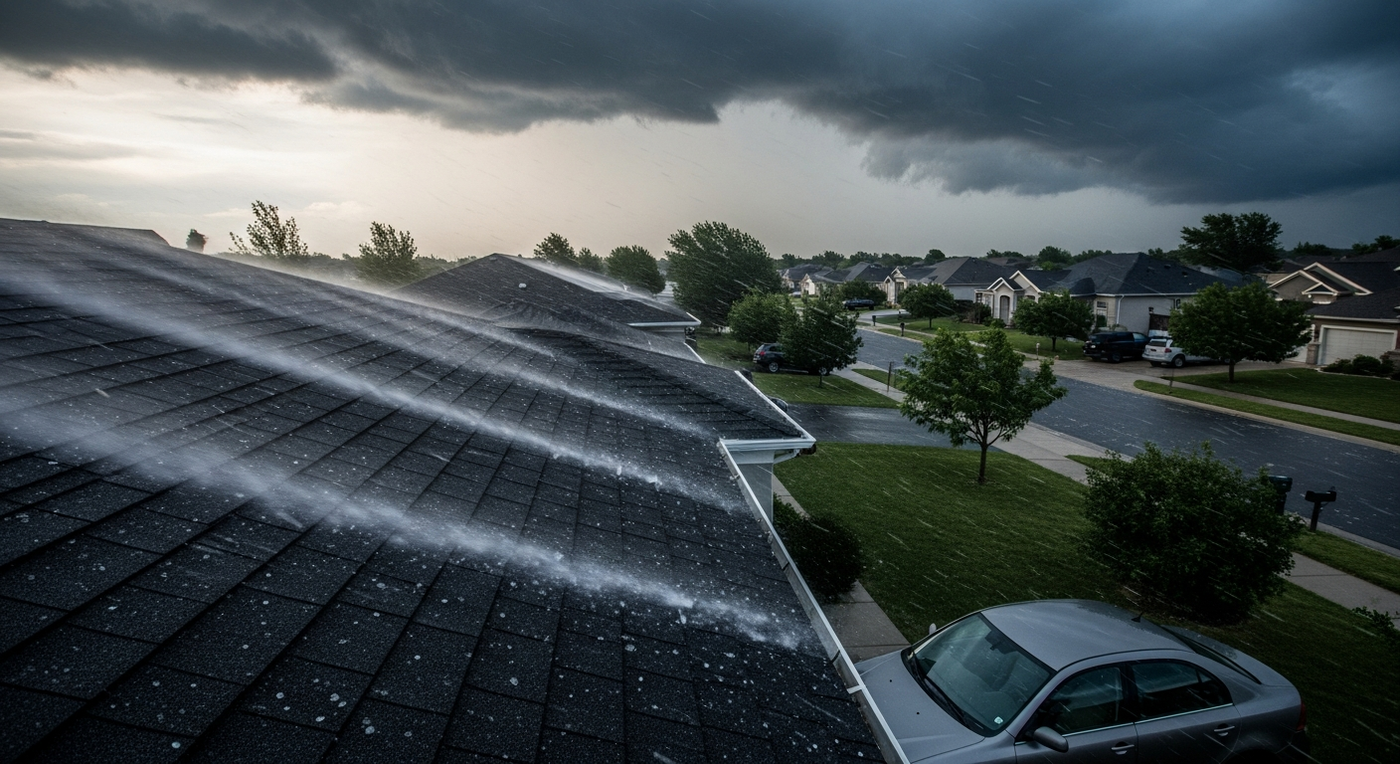
Insurance companies also started calculating more aggressively. When repair shops are backed up for months after a major hail event—which happens routinely in places like Colorado's Front Range or the Dallas-Fort Worth metroplex—the insurer factors in storage fees, rental car costs, and the risk that the repair estimate will climb once the shop actually starts work. Totaling the car becomes the cleaner option, financially and logistically.
Here's the part that surprises people: your comprehensive coverage doesn't guarantee your car gets repaired. It guarantees the insurer will cover the loss up to the vehicle's actual cash value, minus your deductible. The company gets to choose whether that means cutting you a check for the car's pre-damage value or paying for repairs. When repairs cost more than the car is worth, the choice is obvious.