Editorial Quick Answers

Does a Tonneau Cover Protect Your Truck from Hail Damage?

Hard tonneau covers shield the bed floor from hail but leave the cab, hood, and roof—where most damage occurs—completely exposed.

Does a Tonneau Cover Protect Your Truck from Hail Damage?
Hail Protector Editorial / GeminiEditorial

The Bed Isn't the Problem

When hail pelts a pickup truck, the bed floor typically emerges unscathed. The vertical sidewalls catch most impacts at oblique angles, and the bed itself is built from thicker steel than body panels. According to Insurance Information Institute data, hail damage claims center on horizontal surfaces: hoods, roofs, and truck caps. The bed floor—the one area a tonneau cover actually protects—ranks lowest on the vulnerability scale.

This creates an awkward mismatch. Truck owners install tonneau covers for cargo security and fuel economy, then wonder if they've accidentally bought hail protection.
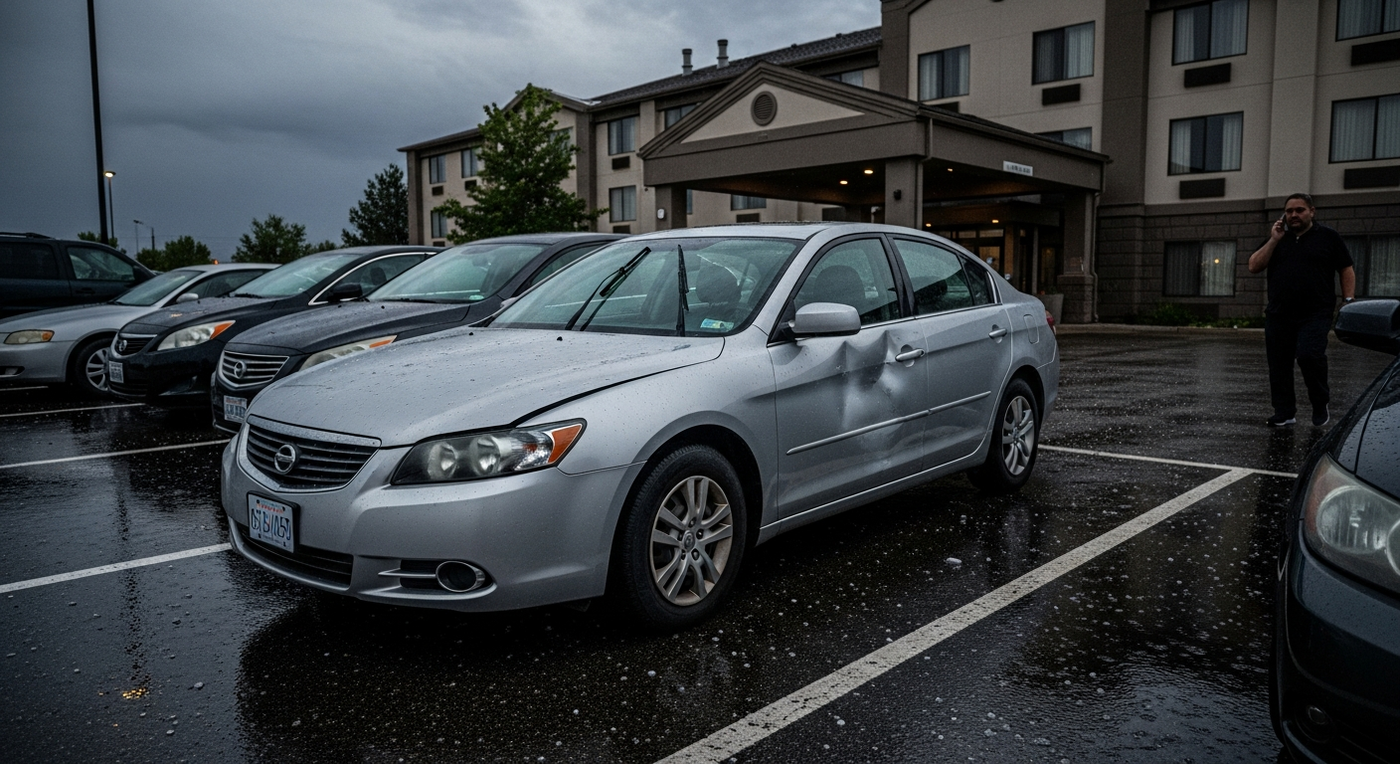
Hard Covers Versus Soft Covers

Hard tonneau covers—the folding, retractable, or one-piece fiberglass varieties—can deflect smaller hailstones from the bed floor. A rigid aluminum cover will absorb impacts that might otherwise dent an empty bed. But "protect" overstates the case. These covers themselves sustain damage in severe hail. Retractable covers use thin aluminum slats that dent just like body panels. Hard folding covers develop stress cracks at hinges. One-piece fiberglass lids can shatter under large hail.

Soft roll-up tonneau covers provide zero impact protection. They're vinyl or canvas stretched over a frame—designed to shed rain, not stop ice traveling 50 mph. A golf ball-sized hailstone will punch through soft vinyl and dent the bed floor underneath. Soft covers might prevent cosmetic scratches from smaller hail, but so would a tarp.

Where Hail Actually Destroys Value

The cab roof on a crew cab truck presents roughly 22 square feet of horizontal surface. The hood adds another 12-15 square feet. Together, these panels account for the majority of hail damage repair costs. A typical hailstorm repair bill for a full-size truck runs several thousand dollars, with the roof and hood consuming most of that expense, according to Insurance Information Institute data.

The bed floor? Roughly 20 square feet of surface area, but positioned lower than the cab and often carrying tools, tie-down anchors, or bed liner texture that masks minor dings. Insurance adjusters focus on visible damage to painted horizontal surfaces. A dented bed floor rarely appears on the estimate unless the truck is pristine and empty.

Tonneau covers protect the least vulnerable part of your truck while leaving the most expensive repair areas completely exposed.

The Physics of Hail Impact

Hailstones fall at terminal velocity—typically 40-70 mph depending on size, according to National Weather Service data. A one-inch hailstone carries enough kinetic energy to dent sheet metal on contact. Vehicle body panels are typically 0.7-0.9mm thick, designed for weight reduction and fuel efficiency, not impact resistance.

Hard tonneau covers use slightly thicker aluminum (typically 1-2mm) or reinforced composites, which can distribute impact force better than bare sheet metal. But this advantage only matters if the cover is closed and the hail strikes perpendicular to the surface. Wind-driven hail often approaches at angles, striking the vertical cab and bed walls where tonneau covers provide no coverage whatsoever.

Here's what most people get wrong: they imagine hail falling straight down like rain. Severe thunderstorms can produce horizontal winds exceeding 50 mph. Hail arrives sideways, hammering door panels, fenders, and the vertical rear window of the cab. A tonneau cover does nothing for side impacts.

22

sq ft

Crew cab roof area

40-70

mph

Hailstone terminal velocity

0.7-0.9

mm

Body panel thickness

$3,000+

Typical hail repair cost

What Actually Protects Trucks from Hail

Enclosed parking. That's the entire list.

Hail blankets and car covers marketed for hail protection use thick foam padding to absorb impacts across all surfaces—roof, hood, doors, and bed. These products work, but typically require 10-15 minutes to deploy and secure. By the time you see the storm approaching, you're already too late.

Some truck owners park under highway overpasses during hail warnings, though this creates traffic hazards and still leaves portions of the vehicle exposed. Commercial hail protection systems exist—inflatable covers and rigid canopies—but they typically cost thousands of dollars and require permanent installation.

The bed cover you already own won't prevent hail damage where it matters. It might save the bed floor from a few dings, but insurance claims and resale value hinge on the cab, hood, and roof.

The Insurance Perspective

Comprehensive coverage handles hail damage regardless of whether you have a tonneau cover. Premiums don't decrease because you installed a bed cover—insurers know it doesn't meaningfully reduce their risk. After a major hail event, adjusters write estimates based on visible damage to painted surfaces. A pristine bed floor doesn't offset a cratered hood and roof.

Some owners skip repairs on bed floor dents, especially if the truck serves as a work vehicle. But roof and hood damage demands attention—both for resale value and because severe denting can compromise paint and lead to rust. According to National Weather Service hail safety guidance, vehicles sustain damage from hailstones as small as one inch in diameter, and storms producing two-inch hail can cause catastrophic vehicle damage.

Your tonneau cover won't prevent a claim. It might reduce the estimate by a few hundred dollars if the bed floor would otherwise need paintless dent removal, but that's a fraction of the total repair cost.

Verified Sources

  1. iii.org

    iii.org

    Referenced in article via iii.org.

  2. weather.gov

    weather.gov

    Referenced in article via weather.gov.

Back to Storm Prep