Editorial Quick Answers

Storm Chasers Are Using NOAA Data to Beat You to Your Driveway — And Why That's a Problem

Predatory PDR contractors monitor the same Storm Prediction Center feeds as meteorologists, arriving in hail zones within hours to pressure vehicle owners into signing contracts before they understand their options.

Storm Chasers Are Using NOAA Data to Beat You to Your Driveway — And Why That's a Problem
Hail Protector Editorial / GeminiEditorial

They're Tracking the Same Radar You Are

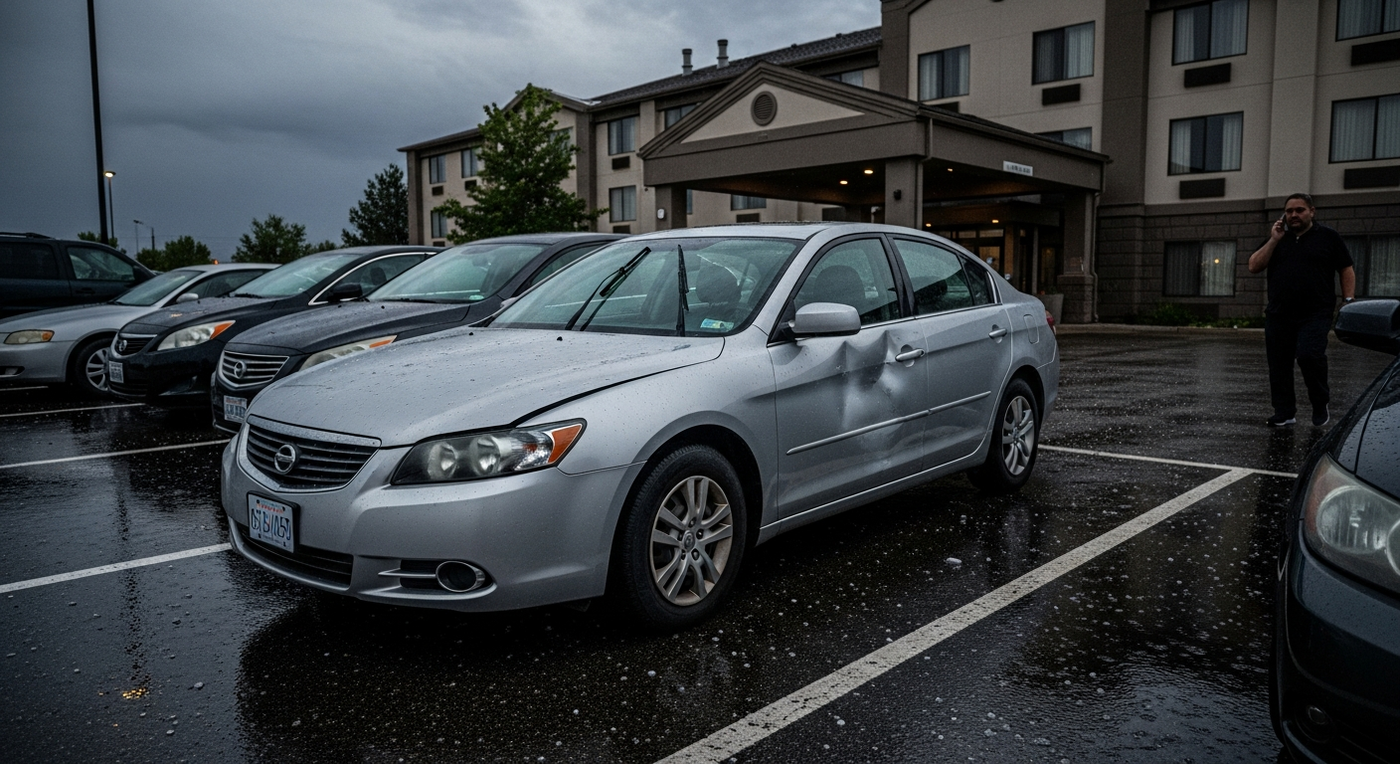
On April 27, 2024, a supercell dropped baseball-sized hail across suburban Dallas. By 9 PM that night — before most residents had even filed insurance claims — out-of-state contractors were canvassing neighborhoods with business cards and damage assessments. They weren't lucky.

Storm chaser PDR (paintless dent removal) operations monitor NOAA's Storm Prediction Center convective outlooks and real-time radar the same way meteorologists do. When severe hail is confirmed, they mobilize. Some operations dispatch teams to predicted impact zones before the storm even arrives. By the time you're sweeping hail off your windshield, they're already three houses down the street.

The business model depends on volume and speed. Get contracts signed before vehicle owners can get competing estimates. Move to the next hail corridor before warranty issues surface. According to Insurance Information Institute data, severe convective storms — the category that includes hail — cause roughly $15-20 billion in insured losses annually in the U.S., with vehicle damage representing a substantial portion of these claims. That's a massive market for contractors willing to follow the storms.

The Five Red Flags That Separate Predators From Professionals

No permanent local address. Legitimate PDR shops have physical locations with business licenses, tax records, and years of Google reviews. Storm chasers operate from hotel parking lots. If the business card lists only a cell phone number and an out-of-state LLC, you're dealing with a temporary operation. Ask where their shop is located. If they say "we're mobile" or "we come to you," ask where they were based three months ago. The answer tells you everything.

No written warranty — or a warranty that's worthless. A five-year warranty from a company that won't exist in five months isn't a warranty. Ask how they'll honor warranty claims when they're in Oklahoma next spring. Established shops provide written warranties backed by physical locations you can return to. Storm chasers provide promises.

Pressure to sign immediately. "We can start tomorrow, but we need the paperwork tonight" is the core tactic. They'll claim slots are filling up, that they're leaving the area soon, that insurance adjusters are backed up and you need to lock in the estimate now. Legitimate contractors understand that vehicle owners need time to get multiple estimates and review insurance coverage. Predators need signatures before you talk to anyone else.

Offering to waive your deductible. This is the offer that sounds generous and is actually illegal. In most states, waiving or rebating an insurance deductible constitutes insurance fraud — and the legal risk falls on you, the vehicle owner, not the contractor. The contractor inflates the claim to cover the deductible you're not paying, the insurance company pays the fraudulent amount, and you've participated in a scheme that can void your coverage and trigger legal consequences. Deductible waiver schemes are widely recognized as among the most common forms of auto insurance fraud following hail events.

Asking you to assign insurance benefits. This is called an Assignment of Benefits (AOB), and it transfers your insurance claim payment directly to the contractor. You're signing over control of the claim before the work is even done. If the repair quality is poor, if the contractor disappears, if the insurance company disputes the charges — you've already given away your leverage. You can't withhold payment for bad work if the contractor is the one receiving the check.

When a contractor offers to "eat" your $500 deductible, they're not being generous.
The Deductible Waiver Is a Trap Disguised as a Favor

Here's What Most People Get Wrong About Insurance Timelines

There's no insurance deadline forcing you to hire someone tonight. Your policy doesn't require you to get repairs done within 48 hours. The storm chaser creating urgency is lying.

Most comprehensive auto policies give you significant flexibility on repair timelines. You typically have months — and in some cases years — to file a hail damage claim depending on your state's statute of limitations and your specific policy language. Yes, you should document the damage immediately with photos. Yes, you should notify your insurance company promptly. But "promptly" means days or weeks, not hours.

The pressure tactic works because it feels true. Hail just destroyed your car. Surely there's a ticking clock. There isn't. Call your insurance company, get the claim opened, and take the time to get three estimates from shops that will still exist next year.

The Deductible Waiver Is a Trap Disguised as a Favor

When a contractor offers to "eat" your $500 deductible, they're not being generous. They're committing fraud and making you an accomplice.

Here's the mechanism: Your actual repair cost is, say, $2,400. Your deductible is $500. The insurance company should pay $1,900. But the contractor writes an estimate for $2,900 — inflating the claim by $500 to cover the deductible you're not paying. The insurance company pays $2,400 (the inflated estimate minus your deductible), the contractor receives the full amount, and you believe you received a discount.

You didn't. You participated in insurance fraud. If the insurance company audits the claim, if the contractor's pattern triggers an investigation, if another customer reports the scheme — you're on record as the policyholder who submitted a fraudulent claim. Consequences range from policy cancellation to criminal charges in some jurisdictions.

Legitimate contractors don't offer to waive deductibles because legitimate contractors don't commit fraud. If someone offers this, you're not talking to someone cutting you a break. You're talking to someone willing to implicate you in a crime to close the deal faster.

$15-20

billion

Annual U.S. hail losses

9

PM

Contractors already canvassing neighborhoods

5

red flags

Warning signs of predators

What to Do in the First 24 Hours Instead

Document everything yourself before anyone touches the vehicle. Take photos of every dent from multiple angles. Photograph the VIN, the odometer, the overall vehicle. If hail broke glass or damaged paint, document that separately. Time-stamp everything. This is your baseline.

Call your insurance company and open a claim. Ask when an adjuster can inspect the vehicle. Ask if they have a list of preferred repair shops — not because you have to use them, but because it tells you which local contractors have established relationships with insurers.

Get at least three written estimates. Not verbal assessments from someone in your driveway. Written estimates on business letterhead from shops with physical addresses. Compare not just the total cost, but the line-item breakdown. If one estimate is dramatically higher or lower than the others, ask why.

Check contractor credentials. Search the business name with "complaint" and "lawsuit." Check your state's business registry to see when the LLC was formed. Look for BBB accreditation (though absence doesn't mean they're illegitimate — presence means they've been around long enough to seek it). Call the phone number on a different day and see if anyone answers.

Ask about the warranty in writing. Who honors it? What does it cover? If the shop closes, is there a backup plan? A legitimate contractor has answers. A storm chaser has excuses.

The One Thing Storm Chasers Get Right

Not every traveling PDR contractor is predatory. Some legitimate, skilled technicians do follow hail corridors because that's where the work is. The difference is transparency.

A legitimate traveling contractor will give you a physical shop address (even if it's two states away), provide references from previous hail events, offer a written warranty with a clear mechanism for claims, and never pressure you to sign before getting competing estimates. They'll have a documented business history you can verify. They'll expect you to do your homework.

The predatory ones depend on you not doing your homework. They need the signature tonight because tomorrow you might talk to your insurance agent, get a second opinion, or Google their business name and find nothing but a website created last week.

The best defense is the most boring one: slow down. Hail damage isn't an emergency. Your car is already dented. Taking three days to vet contractors doesn't make it more dented. The storm chaser in your driveway wants you to believe speed matters more than diligence.

Back to Storm Prep