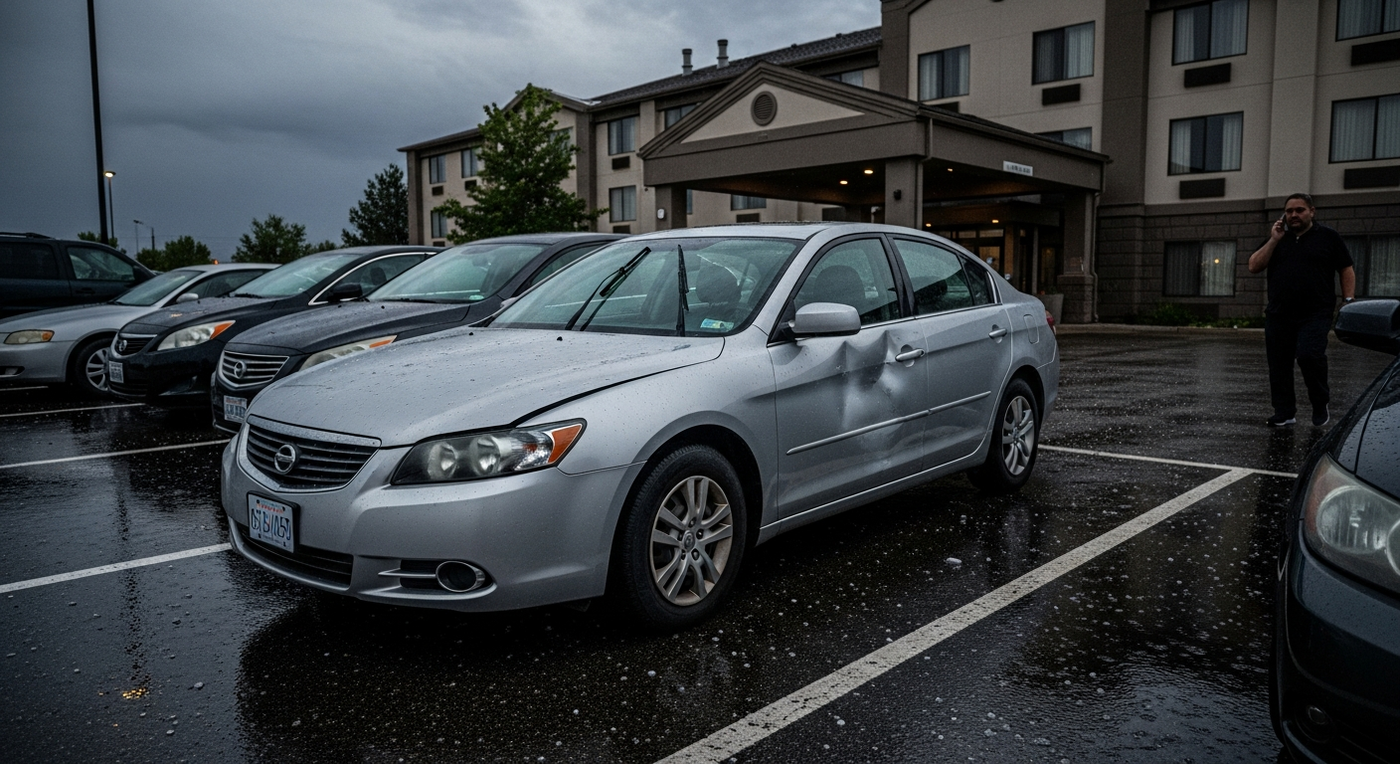
The Repair Cost Spiral Continues
The average hail damage repair in 2024 ran approximately several thousand dollars higher than comparable claims from five years ago, a trend driven by factors that have nothing to do with storm intensity. Modern vehicles present a fundamentally different repair challenge than their predecessors.
Aluminum body panels—now standard on popular trucks like the Ford F-150 and increasingly common across manufacturer lineups—require specialized equipment and training that many shops still lack. Unlike steel, aluminum can't simply be pulled and massaged back into shape; damaged panels often need complete replacement. Parts availability became another chokepoint throughout 2024, with some vehicle owners waiting weeks or months for replacement hoods, roofs, and quarter panels as supply chains struggled to keep pace with demand spikes following major hail events.
Electric vehicles add another layer of complexity. A Tesla Model 3 with hail damage to its roof isn't just a cosmetic repair—it may involve removing and reinstalling battery packs, recalibrating sensors embedded in body panels, and navigating manufacturer-specific repair protocols that limit which shops can perform the work. According to Insurance Information Institute data, comprehensive claim costs have been trending upward for years, and the 2024 hail season reinforced that trajectory. The average repair cost in 2024 ran approximately several thousand dollars higher than comparable claims from five years ago.
Labor costs climbed as well. Skilled paintless dent repair technicians—the specialists who can massage out hail damage without repainting—command premium rates and remain in short supply. After a major hail event, shops in affected areas typically book out three to six months in advance, leaving vehicle owners facing a choice between waiting or driving to shops hundreds of miles away.
Here's what most people get wrong: they assume hail damage is purely cosmetic and can wait. But unrepaired dents trap moisture, accelerate rust, and reduce resale value far more than the initial damage suggests. A vehicle that looks merely dimpled in December can develop serious corrosion issues by the following spring.