Editorial Quick Answers

The Hail Repair Wait: Why Your Two-Hour PDR Job Takes Six Weeks

Most hail repairs involve just a few hours of actual work, but parts shortages, shop backlogs, and calibration requirements stretch the timeline to weeks or months.

The Hail Repair Wait: Why Your Two-Hour PDR Job Takes Six Weeks
Hail Protector Editorial / GeminiEditorial

The Work Takes Hours, The Wait Takes Weeks

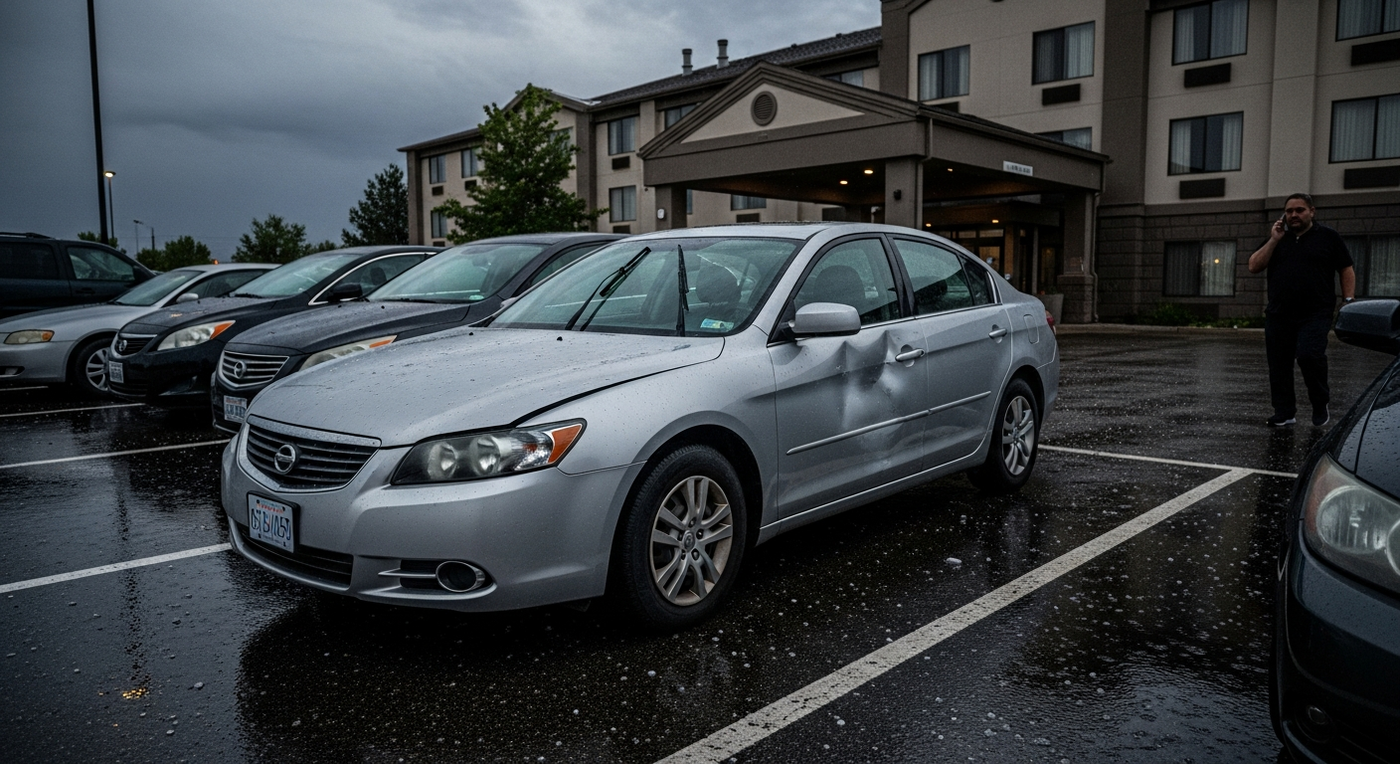
A technician can complete paintless dent removal on a moderately hailed sedan in roughly three to five hours. The actual repair happens in a single morning. But the average wait time between scheduling and starting work at a PDR shop after a major hail event typically runs four to six weeks. In markets hit by severe spring storms—Dallas after the April 2024 outbreak, for instance—some shops reportedly quoted August appointments for damage that occurred in late March.

The bottleneck isn't skill or equipment. It's volume. A single supercell can damage thousands of vehicles in a metro area within minutes. Every PDR technician within a hundred miles suddenly has a months-long backlog.

PDR: Fast Repair, Slow Queue

Paintless dent removal works for hail damage where the paint hasn't cracked and the dents are shallow—typically less than the size of a quarter. A skilled technician uses metal rods and specialized tools to massage dents from behind the panel. For light to moderate hail (pea to quarter-sized stones), this process takes anywhere from two to eight hours depending on dent count and location.

Door panels are fastest. Roof and hood repairs take longer because technicians need to remove headliners and access panels. Dents near body lines or panel edges require more precision and time.

Here's what most people get wrong: they assume the shop will start immediately after the estimate. In reality, the estimate happens quickly—often within days—but the actual repair slot gets scheduled based on the shop's backlog. Mobile PDR technicians sometimes offer faster turnaround because they come to you, but their rates often run higher than shop-based work.

When Body Panels Need Replacement

Deep dents, cracked paint, or damage to aluminum panels often require conventional body work instead of PDR. The actual repair time—removing damaged panels, fitting new ones, and painting—takes roughly three to seven days of shop time. Paint needs to cure, and most shops apply multiple coats with drying periods between each layer.

But parts availability determines your real timeline. A replacement hood for a common model like a Honda Civic might arrive within days. A rear quarter panel for a three-year-old pickup truck? Parts suppliers have reported backorder times extending weeks or even months for some popular models, particularly when a regional hail event creates sudden demand for identical parts across hundreds of vehicles.

Aftermarket parts arrive faster but may not fit as precisely as OEM components. Your insurance adjuster and body shop will discuss options, but if you're choosing OEM parts for a less common vehicle, add a month or more to your timeline.

Paint matching adds another variable. Metallic and pearl finishes require more precision, and shops typically paint the entire panel rather than spot-painting to avoid color mismatches. The actual painting takes hours, but scheduling the paint booth and allowing proper cure time extends the process to several days.

Glass Replacement: Quick Work, Slow Calibration

A windshield replacement takes about two to three hours. The technician removes the damaged glass, cleans the frame, applies new urethane adhesive, and sets the new windshield. You can typically drive the vehicle within a few hours, though full adhesive cure takes roughly 24 hours.

The complication: Advanced Driver Assistance Systems (ADAS). If your vehicle has lane departure warning, adaptive cruise control, or automatic emergency braking, the cameras and sensors mounted near the windshield need recalibration after glass replacement. Not every glass shop has the required equipment—a process that involves specialized targets and diagnostic tools.

According to NHTSA safety data, roughly 90% of new vehicles sold since 2022 include at least one ADAS feature requiring calibration. Some glass companies handle this in-house, adding an hour or more to your appointment. Others send you to a dealership or specialty shop, which can mean scheduling a second appointment days or weeks later.

4-6

weeks

Average PDR scheduling delay

3-5

hours

Actual repair duration

90%

%

New cars with ADAS

30

days

Typical rental coverage limit

The Parts Shortage Reality

The semiconductor shortage that disrupted vehicle production from 2021 through 2023 created a ripple effect in the parts supply chain. Body panels with embedded sensors, cameras, or wiring harnesses became harder to source. Even as chip production recovered, some manufacturers prioritized new vehicle assembly over replacement parts inventory.

For hail damage, this matters most when you need parts with integrated technology—liftgates with backup cameras, hoods with sensor mounts, mirrors with blind-spot detection. A simple metal panel might ship in days. The same panel with a camera mount?

Insurance Timing and Rental Coverage

Most comprehensive policies cover rental vehicles during hail repairs, but coverage often caps at around 30 days. If your repair timeline extends beyond that—common when parts are backordered—you'll pay out-of-pocket for the rental or go without a vehicle.

Some insurers offer extended rental coverage for an additional premium. Others provide a fixed daily dollar amount rather than a time limit. Check your policy's rental provisions before assuming you're covered for the full repair duration.

The estimate process itself typically takes one to three days. An adjuster photographs the damage, counts dents, and determines whether PDR or conventional repair is appropriate. Some insurers use photo-based estimating apps that can speed this process, though complex damage still requires in-person inspection.

Verified Sources

  1. NOAA Storm Prediction Center

    NOAA Storm Prediction Center

    Official severe-weather outlook reference.

Back to Storm Prep