The Geography of Being First
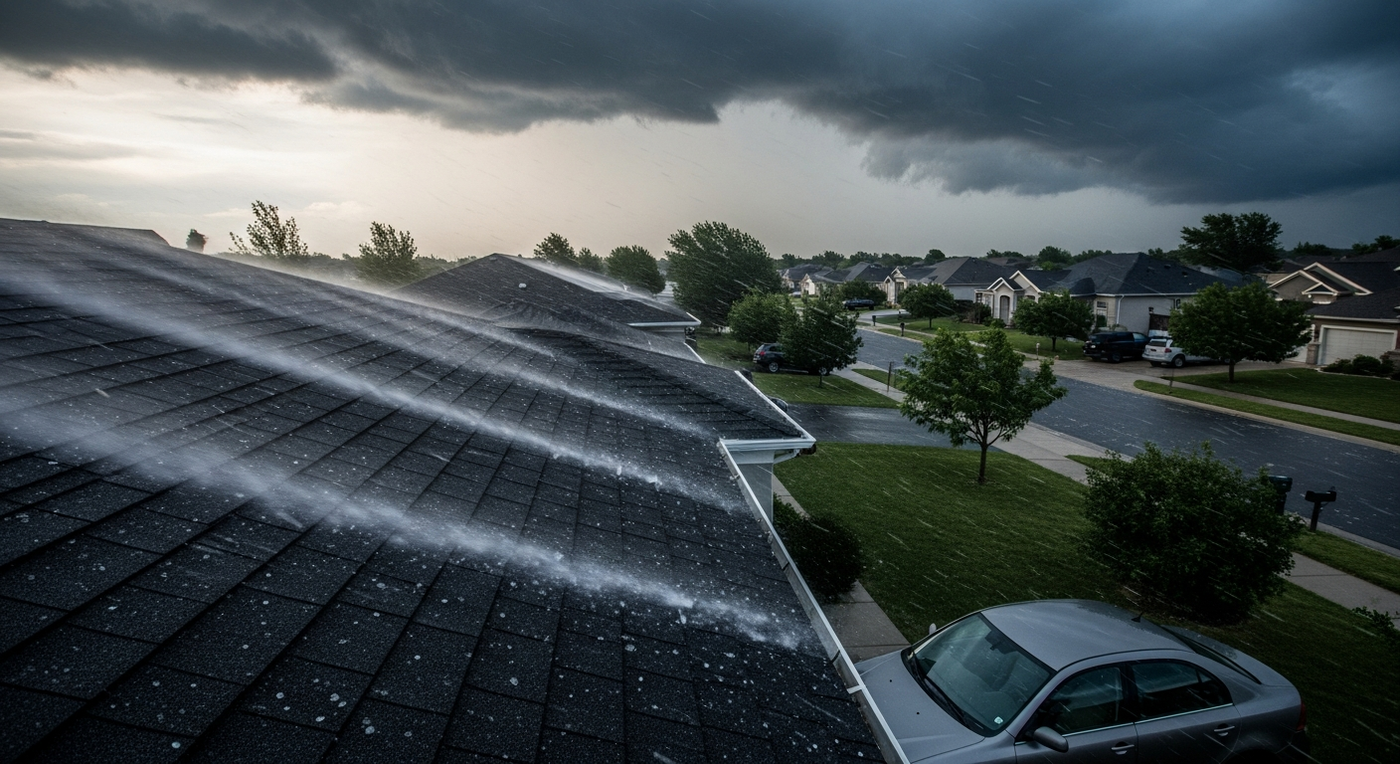
When meteorologists issue severe thunderstorm warnings for the Dallas-Fort Worth metroplex, they almost always start with Tarrant County. This isn't coincidence—it's topography meeting atmospheric physics. Fort Worth sits roughly 30 miles west of Dallas, positioned directly in the path where dry continental air from West Texas collides with Gulf moisture. That collision zone, called the dryline, acts as a atmospheric trigger. Storms don't just form along it; they explode.
Weatherford, Aledo, Benbrook, and western Fort Worth neighborhoods occupy what storm chasers call the "initiation zone"—the 20-mile corridor where supercells are still organizing their rotation and building their updrafts. According to National Weather Service Fort Worth data, this western corridor experiences larger hail than areas farther east, even when the same storm system passes through both locations.