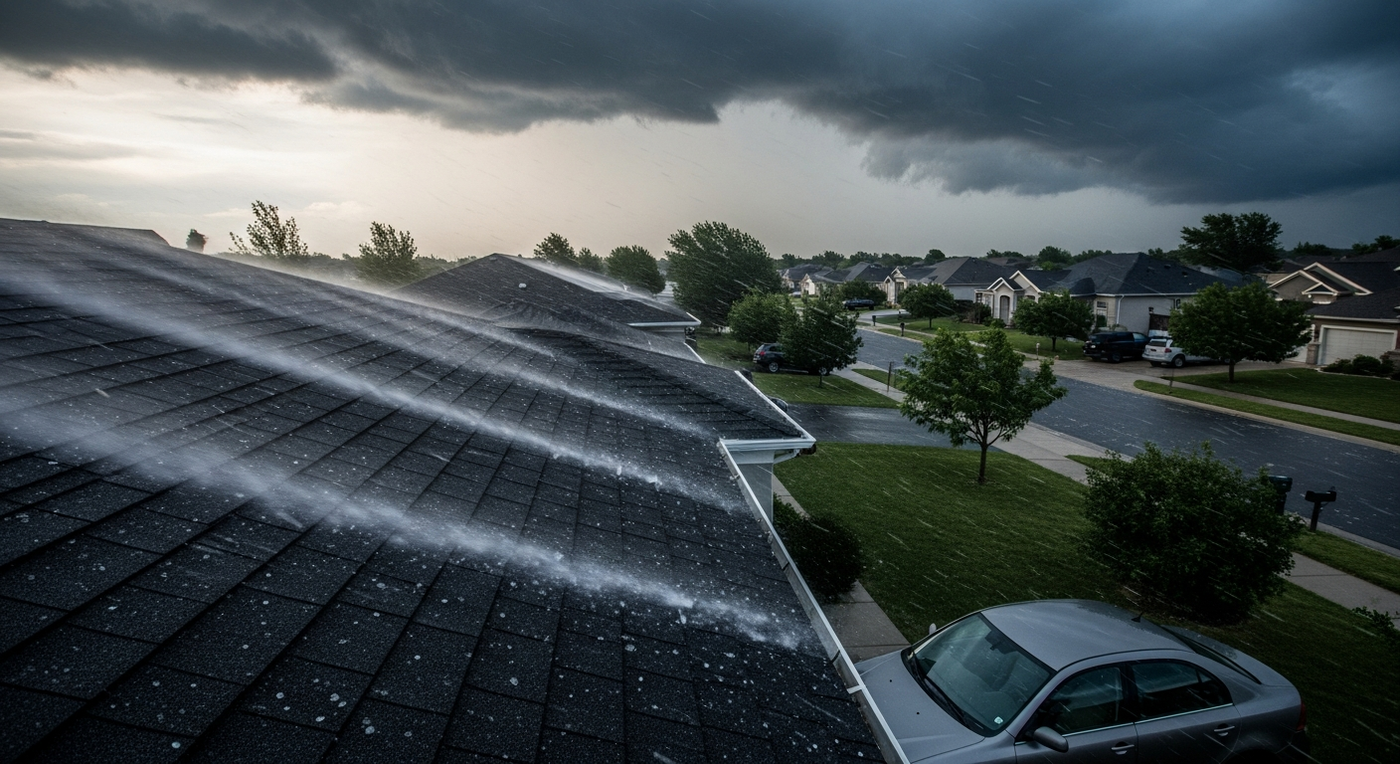
The Dryline Makes All the Difference
Dallas sits directly on the dryline boundary zone where bone-dry air from the desert Southwest collides with Gulf moisture streaming north. This invisible atmospheric wall creates the violent updrafts that forge hailstones. Houston, meanwhile, sits 200 miles deeper into the warm sector — surrounded by maritime air on all sides. That humid blanket produces spectacular lightning shows and street-flooding rain, but it lacks the sharp temperature contrasts that build hail-producing supercells.
According to Storm Prediction Center climatology data, the DFW metroplex averages 3-5 significant hail days per year. Houston? Less than one. The frequency gap widens further when you count all hail events, not just the golf-ball-sized reports that make headlines.