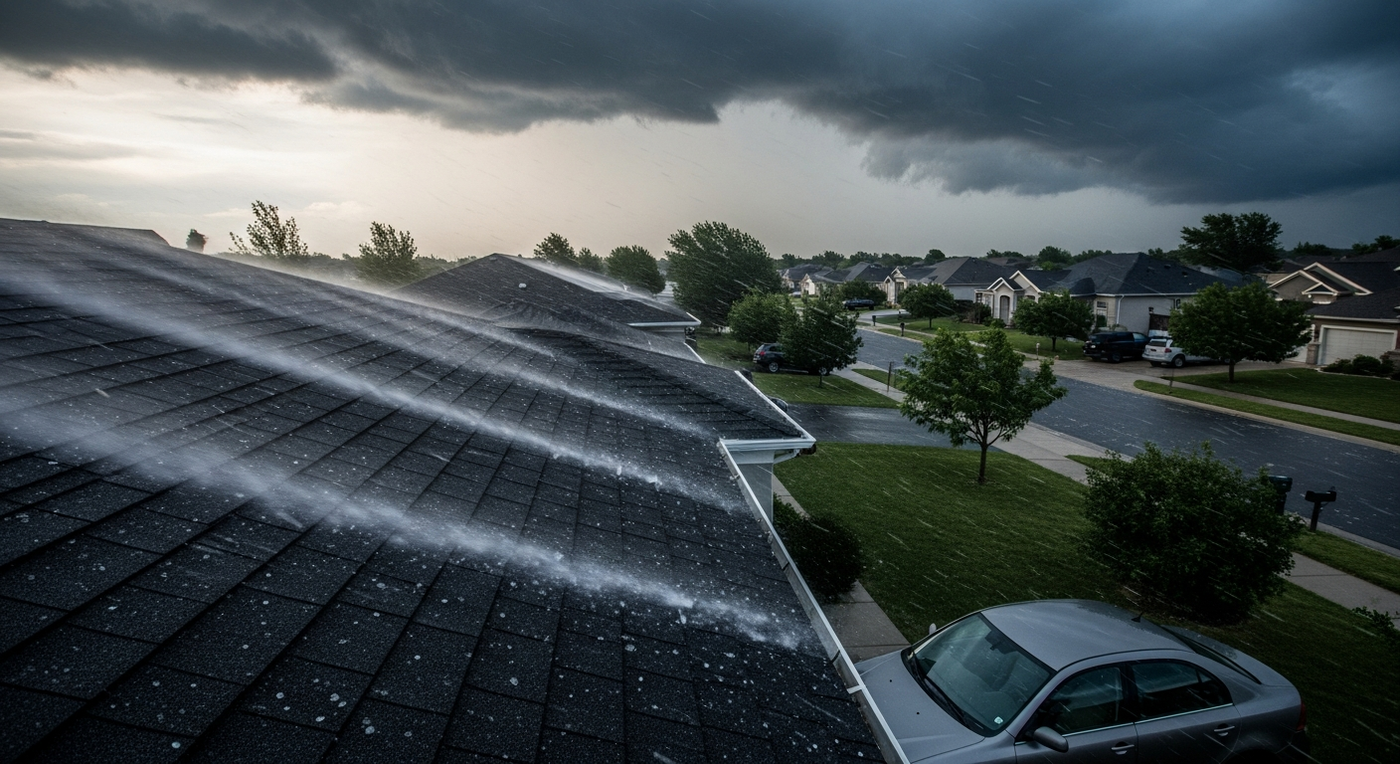
The Geography of the Shift
Texas and Oklahoma served as the testing grounds. Insurers operating in these states began introducing percentage-based hail deductibles around 2017-2018, but the practice remained relatively uncommon until approximately 2020. By 2022, an estimated 60% or more of homeowners policies in the Dallas-Fort Worth metroplex included percentage-based hail deductibles, often without the policyholder explicitly understanding what they'd agreed to during renewal.
The practice then migrated north and west. Colorado's Front Range communities—sitting directly in hail alley according to NOAA's severe weather data—saw widespread adoption by 2021. Nebraska and Kansas followed in 2022 and 2023. The pattern tracks hail frequency maps almost perfectly. Insurers implemented the percentage-based structure in markets where hail claims were eroding profitability, which meant the homeowners most likely to need the coverage were the same ones facing the steepest out-of-pocket costs.
The deductible applies exclusively to hail damage in most policies, though some carriers bundle wind damage into the same percentage-based calculation. This specificity matters because it means a homeowner might have a $1,500 deductible for fire, theft, or water damage, but a $6,000 deductible if hail punches holes in their roof. The same policy, wildly different financial exposure depending on what falls from the sky.
What most people miss during the renewal process is that this isn't negotiable in the traditional sense. In high-risk hail markets, carriers often make the percentage-based deductible a condition of coverage. The choice isn't between 2% and $1,000—it's between 2% and finding another insurer, who will likely offer the same terms. Some carriers do offer a buyback option, allowing policyholders to purchase a lower deductible for an additional premium, but that premium increase can run several hundred dollars annually.
Here's the part that surprises people: the percentage is calculated on the dwelling coverage amount, not the actual cost of repairs. If your roof replacement costs roughly $15,000 and your home is insured for $300,000 with a 2% hail deductible, you're paying $6,000 of that $15,000 bill. The deductible doesn't scale with the damage—it scales with your coverage limit. A small dent in your siding costs you the same deductible as a total roof replacement, as long as both are hail-related.