The Collision Sequence Nobody Explains
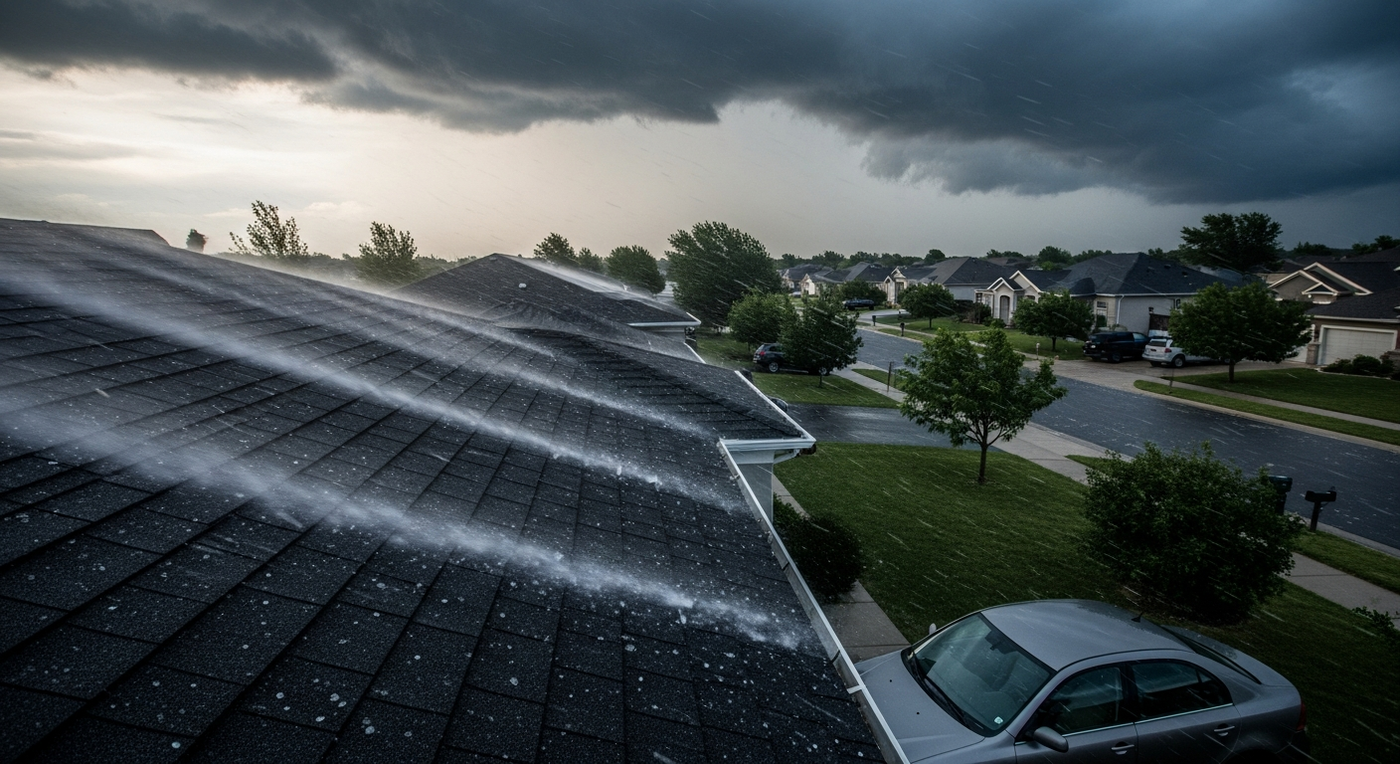
Hailstone impact happens in phases, not as a single event. The initial contact compresses the top layer, which begins converting kinetic energy into heat and material deformation. Within the first few milliseconds, the force wave propagates downward through subsequent layers, each responding according to its density and elasticity. By the time the energy reaches the vehicle surface—typically within a few dozen milliseconds after initial contact—the original impact force has been transformed, redistributed, and ideally reduced below the threshold that dents sheet metal.
The critical variable isn't whether the hailstone's energy disappears (it doesn't—physics won't allow it), but whether that energy spreads across enough surface area and enough time that no single point on your hood experiences concentrated force. A bare car roof might receive the impact energy concentrated in a contact patch the size of a quarter. A well-designed cover system spreads that same energy across a larger area while extending the collision duration several-fold.