Explainer Deep Dive

Why May Produces More Severe Hail Than Any Other Month—And What That Means for Your Car

Atmospheric conditions converge in May to create the single most dangerous month for hail damage across the United States, with roughly one-third of all significant hail reports occurring in these 31 days.

Why May Produces More Severe Hail Than Any Other Month—And What That Means for Your Car
Hail Protector Editorial / GeminiExplainer

The Atmospheric Perfect Storm

May sits at a rare intersection of three competing atmospheric forces that rarely align with such intensity during any other month. The polar jet stream, which spent winter months dipping deep into the southern United States, begins its seasonal retreat northward in May—but it hasn't retreated far. It still possesses substantial energy and frequently plunges southward in sharp troughs across the central Plains, creating the wind shear necessary for supercell thunderstorms.

Simultaneously, Gulf of Mexico moisture returns in earnest. By May, sea surface temperatures in the Gulf have warmed considerably from their winter lows, and southerly winds efficiently transport humid air northward across Texas, Oklahoma, Kansas, and Nebraska. This moisture provides the fuel. Without it, you get dust. With it, you get towering cumulonimbus clouds capable of lofting hailstones to extraordinary sizes.

The third ingredient is surface heating. May days are long—roughly 14 hours of daylight across the central Plains—and the sun angle is approaching its summer peak. But unlike June or July, the ground hasn't yet baked into submission. Soil moisture from spring rains remains high, and vegetation is actively growing. This combination allows for intense daytime heating that generates powerful updrafts when storms initiate, typically in the late afternoon or early evening.

When all three factors align—and in May, they align frequently—the atmosphere becomes a hail factory. Updrafts in supercell storms can exceed 100 miles per hour, according to Storm Prediction Center research, suspending hailstones in the cloud long enough for them to accumulate layer after layer of ice. The longer a hailstone remains aloft, the larger it grows. May's atmospheric profile keeps stones aloft longer than any other month.

Here's what most people misunderstand about hail size: the difference between a one-inch hailstone and a three-inch hailstone isn't additive—it's exponential in terms of damage potential. A golf ball-sized hailstone (roughly 1.75 inches) falls at approximately 50 miles per hour and carries enough kinetic energy to dent sheet metal. A baseball-sized stone (2.75 inches) falls at approximately 70 miles per hour, according to NOAA measurements and doesn't just dent—it punctures, shatters, and destroys. May produces both with disturbing regularity.

The geographic distribution of May hail reveals another pattern. While hail can occur anywhere thunderstorms develop, May's severe hail concentrates in a relatively narrow corridor stretching from central Texas through Oklahoma, Kansas, Nebraska, and into South Dakota. This region—often called Hail Alley—sits directly beneath the typical May jet stream position and receives consistent Gulf moisture. According to NOAA's National Centers for Environmental Information, some counties in this corridor experience significant hail events on average every other year, a frequency unmatched anywhere else in North America.

The Billion-Dollar Pattern

Insurance industry data reinforces what atmospheric science predicts. The Insurance Information Institute's analysis of catastrophic weather losses shows that May hail events consistently rank among the costliest natural disasters in the United States, often exceeding the damage from individual hurricanes when measured across the entire month.

The 2023 May season illustrated this pattern with brutal clarity. A multi-day severe weather outbreak from May 12-16 produced hailstones up to four inches in diameter across Texas and Oklahoma, generating insured losses estimated to have exceeded $2 billion. A separate outbreak on May 24-26 struck Kansas and Nebraska with similar intensity, adding an estimated billion dollars in damage. These weren't anomalies—they were May behaving exactly as the climatological record suggests it should.

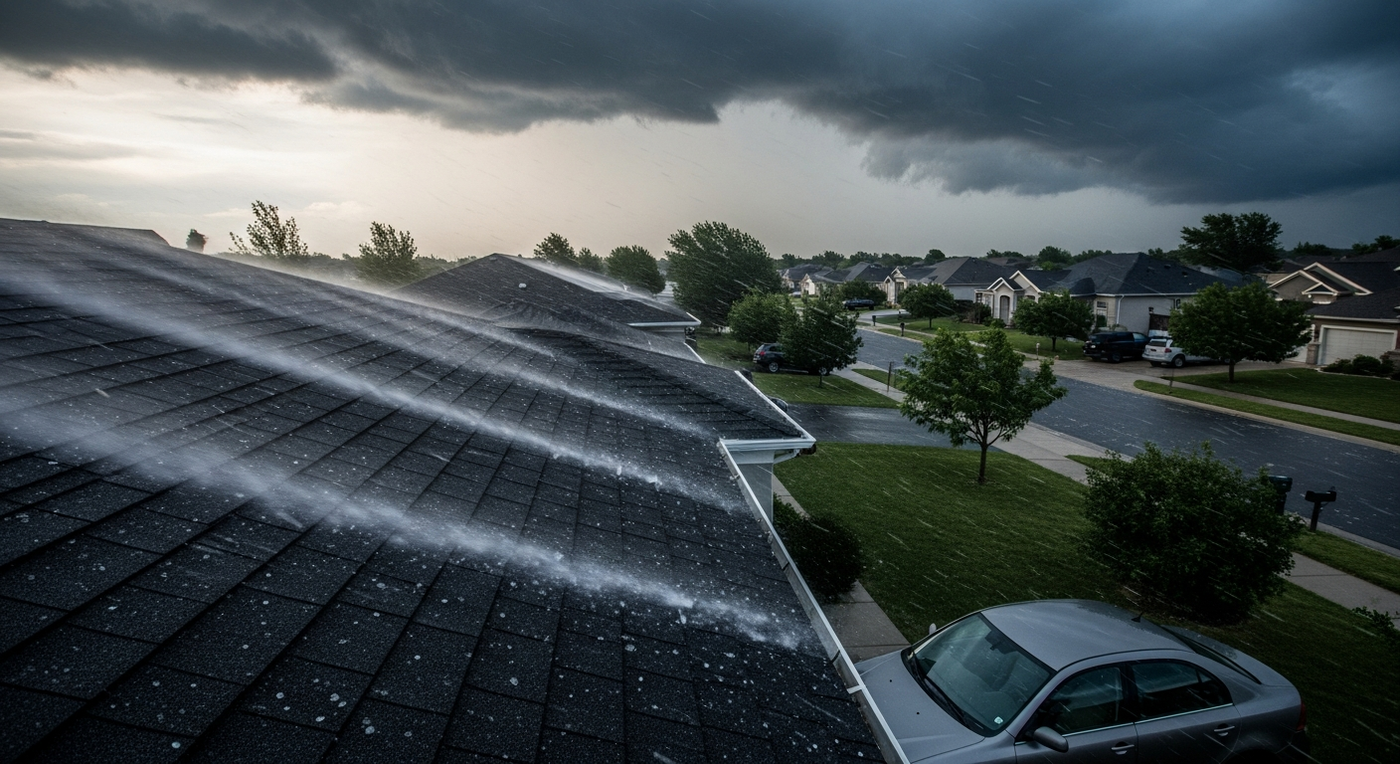
Vehicle damage represents the single largest component of hail-related insurance claims, and May's timing makes this particularly painful for drivers. Unlike winter storms that provide days of warning, severe hail events often develop rapidly on otherwise pleasant spring afternoons. A driver leaving work under partly cloudy skies can return 30 minutes later to find their windshield shattered and their hood dimpled like a golf ball. The speed of these events leaves little time for protective action.

Repair costs vary enormously depending on hail size and vehicle type, but moderate hail damage (requiring paintless dent removal across multiple panels) typically runs several thousand dollars. Severe damage requiring panel replacement, windshield replacement, and paint work can approach or exceed an estimated $10,000, particularly on newer vehicles with aluminum body panels that don't respond well to traditional dent removal techniques. For vehicles more than a decade old, repair estimates that exceed approximately 70-80% of the vehicle's actual cash value often result in total loss declarations from insurers.

The cascading effects of May hail events extend beyond individual repair bills. Body shops in affected areas become overwhelmed, creating repair backlogs that can stretch for months. Rental car availability evaporates. Dealerships see surges in customers seeking replacement vehicles. And insurance premiums in hail-prone ZIP codes creep steadily upward as insurers price in the mathematical certainty of future May losses.

30%

%

All major hail reports

100+

mph

Supercell updraft speeds

$2

B+

Single outbreak insured losses

70

mph

Baseball-sized hail velocity

What Drivers Should Actually Do

The standard advice—park in a garage if possible—borders on useless for most people. Roughly 63% of American households have garage access, but that figure drops considerably in the apartment-dense urban cores where many people live and work. The more useful question is what drivers without garage access should do when May arrives.

First, understand your insurance coverage before hail season begins. Comprehensive coverage pays for hail damage, but many drivers carry high deductibles (typically $500 to $1,000) to reduce premium costs. A $1,200 hail damage claim with a $1,000 deductible nets you $200 and creates a claim on your record that could affect future premiums. Some drivers in high-frequency hail zones deliberately choose lower comprehensive deductibles specifically because of May's statistical likelihood of producing damage. This isn't paranoia—it's actuarial math.

Second, develop a severe weather monitoring routine during May if you live or work in Hail Alley. The Storm Prediction Center issues convective outlooks days in advance that identify areas at risk for severe thunderstorms. These outlooks don't predict hail with street-level precision, but they identify which regions face elevated risk on which days. A driver in Oklahoma City who sees their county highlighted in a Day 2 moderate risk outlook should treat that information as actionable: find covered parking that afternoon or plan to leave work early if storms initiate.

Mobile weather apps with push notifications for severe thunderstorm warnings provide more immediate alerts, but they require a crucial behavioral change: actually responding to them. A severe thunderstorm warning means trained meteorologists have identified a storm capable of producing damaging hail, and it's moving toward your location right now. You have minutes, not hours. If you're in a building, stay there. If you're driving and see a parking garage or covered structure, use it. If you're caught in the open with no shelter available, the least-bad option is to pull over, turn away from the wind, and accept that your vehicle will likely sustain damage. Continuing to drive through hail only adds the risk of losing windshield visibility or suffering a collision on top of the hail damage you're already accumulating.

Third, carry emergency supplies in your vehicle during May. This sounds melodramatic until you've sat in a parking lot for 45 minutes waiting for golf ball hail to stop pummeling your car. A severe hailstorm doesn't last long—typically 10 to 30 minutes—but those minutes are genuinely dangerous if you're exposed. People die from hail strikes, though rarely. More commonly, people panic and make poor decisions, like running through a hail shaft or driving at speed with zero visibility. A charged phone, water, and the patience to wait out the storm prevent most of these problems.

Here's the tangent nobody mentions: hail damage sometimes improves older vehicles' financial outcomes. A 2008 sedan with 180,000 miles, minor mechanical issues, and a private-party value around $3,500 might sustain $4,500 in hail damage and get declared a total loss. The insurance payout (actual cash value minus deductible) can exceed what the owner could have realistically sold the vehicle for, and they're free to buy it back from the insurer at salvage value if they want to keep driving it with cosmetic damage. This isn't a strategy—you can't manufacture hail—but it's an outcome that occasionally benefits drivers who were already considering replacement.

For drivers shopping for vehicles in May or planning purchases later in the year, hail history matters more than most people realize. A vehicle with a clean title but prior hail damage (repaired or unrepaired) will have diminished resale value indefinitely. Carfax and similar services track insurance claims, and sophisticated buyers check for paintless dent removal patterns that indicate previous hail exposure. If you're buying used in a hail-prone state, assume any vehicle purchased in the past five years has a non-zero chance of previous hail exposure and verify accordingly.

The final consideration is geographic. If you're relocating and have flexibility about where within a metro area you live or work, hail frequency data exists at the county level and can inform those decisions. A 20-mile difference in location can represent a meaningful difference in hail exposure over a decade of vehicle ownership. This isn't the primary factor in choosing where to live, but it's not nothing, particularly if you're already weighing multiple comparable options.

May's hail dominance isn't changing

May's hail dominance isn't changing. The atmospheric mechanics that make this month uniquely dangerous are functions of seasonal transitions that have operated for millennia and will continue regardless of broader climate trends. Drivers in the central United States will face this reality every May for the foreseeable future. The only variable is whether they treat that reality as abstract meteorological trivia or as actionable information that changes behavior during 31 specific days each year.

The data suggests most drivers choose the former. Insurance claim patterns show the same people filing hail damage claims repeatedly, suggesting they haven't modified parking behavior despite direct financial losses. That's a choice, and it's a costly one.

Back to Hail Science